
Round Hole Perforated Metal Panels: The Most Versatile Choice for Architecture, Filtration, and Industrial Applications
Article Summary
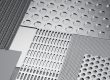
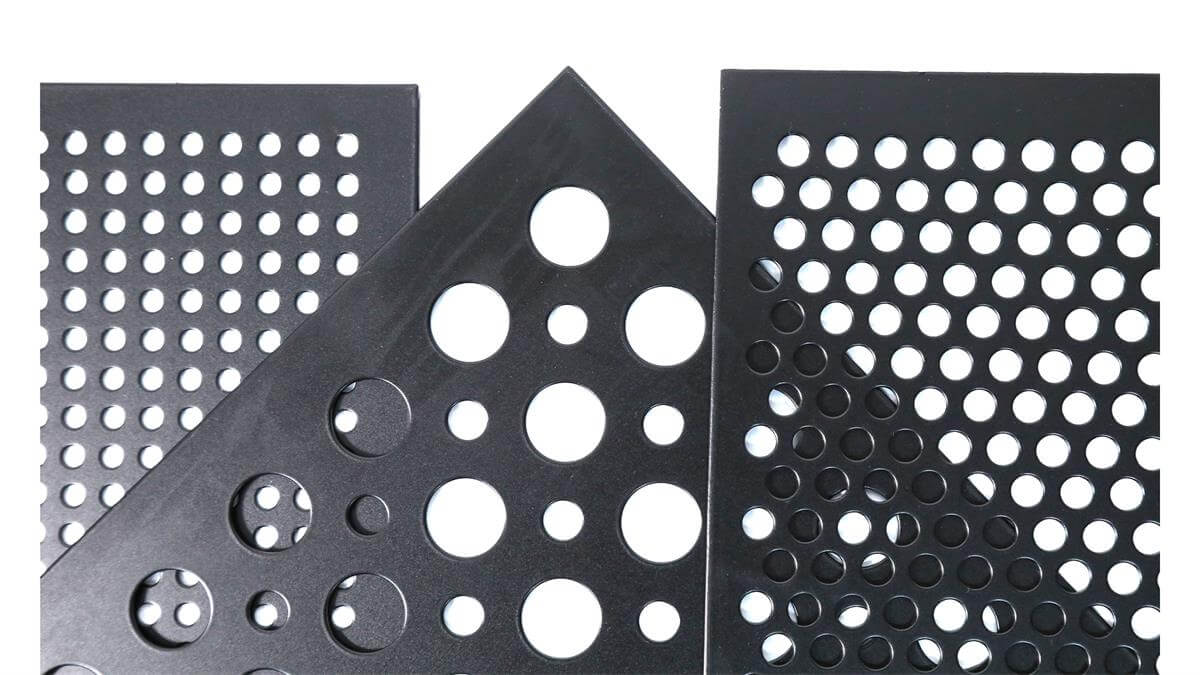
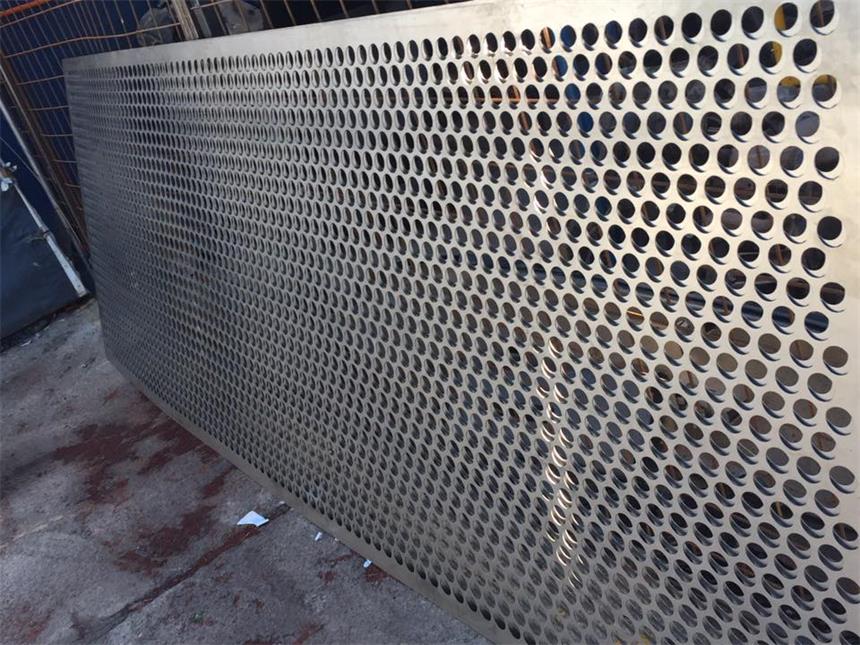
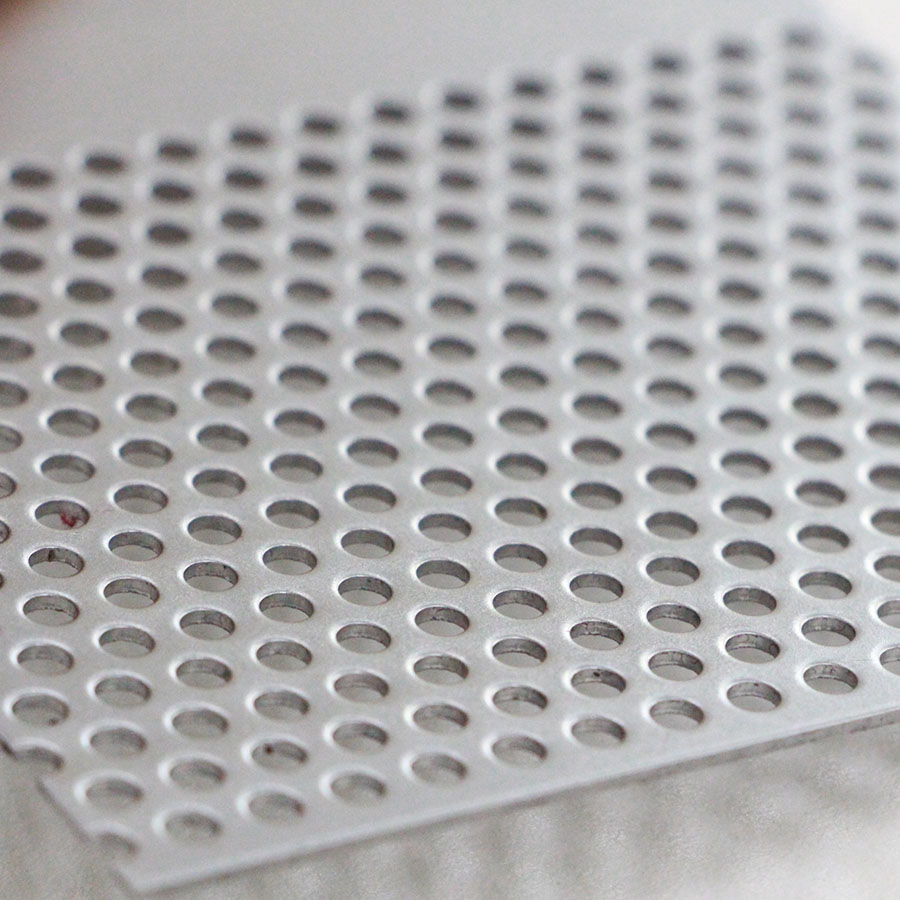
Round Hole Perforated Metal Panels are among the most widely used perforated metal products in the world due to their excellent strength-to-weight ratio, high open area, attractive appearance, and versatile performance. Available in 45° staggered, 60° staggered, and 90° straight hole patterns, these panels are widely used for architectural facades, acoustic panels, filtration systems, machine guards, ventilation screens, fencing, and decorative applications.
Among all perforation patterns, 60° staggered round hole perforated metal panels offer the best balance of strength, open area, durability, and cost-effectiveness, making them the preferred choice for most commercial and industrial projects.
As a professional perforated metal manufacturer, HIGHTOP supplies customized round hole perforated metal panels in various materials, hole sizes, sheet thicknesses, and surface finishes to meet global project requirements.
What Are Round Hole Perforated Metal Panels?
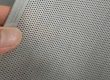
Round Hole Perforated Metal Panels are manufactured by punching uniform circular holes into metal sheets using CNC punching machines or high-speed perforation equipment.
The panels can be produced from:
- Stainless Steel
- Galvanized Steel
- Carbon Steel
- Aluminum
- Brass
- Copper
- Titanium
Depending on the project requirements, different hole arrangements can be selected to optimize:
- Open area percentage
- Structural strength
- Airflow
- Light transmission
- Acoustic performance
- Visual appearance
For detailed specifications and available perforation patterns, visit:
Why Round Hole Perforated Metal Panels Remain the Industry Standard
While square, slotted, hexagonal, and decorative perforation patterns are available, round holes continue to dominate the market.
There are several engineering reasons behind this preference.
Superior Structural Integrity
Circular holes distribute stress more evenly throughout the sheet.
This significantly reduces the risk of cracking or deformation during:
- Fabrication
- Bending
- Installation
- Long-term service
Compared with square hole perforated sheets, round hole panels generally maintain higher structural stability under identical open area conditions.
Excellent Open Area Performance
Round hole perforated panels can achieve open area ratios ranging from 10% to over 70%.
This allows engineers to optimize:
- Ventilation efficiency
- Sun shading performance
- Filtration flow rate
- Acoustic absorption
without sacrificing structural strength.
Cost-Effective Manufacturing
Round hole punching tools are the most widely used and economical perforation dies available.
This results in:
- Faster production speeds
- Lower tooling costs
- Better material utilization
- Reduced overall project costs
For large architectural projects, this cost advantage can be substantial.
Understanding the Three Main Round Hole Patterns
Selecting the right perforation layout is often just as important as selecting the material itself.
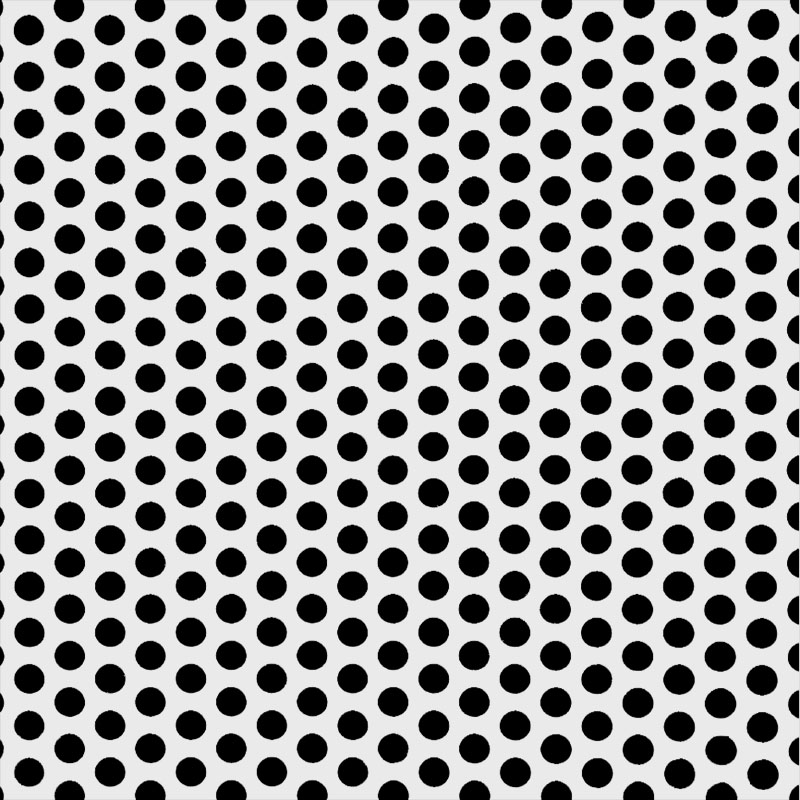
60° Staggered Round Hole Perforated Metal Panels
The 60° staggered pattern is the most popular and versatile option.
Advantages include:
- Highest strength-to-open-area ratio
- Excellent load distribution
- Better visual uniformity
- Superior airflow performance
- Cost-efficient production
Typical applications:
- Building facades
- Acoustic wall panels
- Ventilation systems
- Industrial filtration
- Security fencing
- Decorative cladding
For most projects, engineers and architects consider the 60° staggered pattern the optimal solution.
45° Staggered Round Hole Perforated Metal Panels
The 45° staggered arrangement offers a unique balance between strength and appearance.
Advantages include:
- Improved rigidity compared with straight patterns
- Distinctive visual effect
- Reliable structural performance
Typical applications:
- Architectural decoration
- Screening systems
- Interior feature walls
- Specialized industrial equipment
Although slightly less flexible than the 60° pattern regarding open area configurations, it remains an excellent alternative for designers seeking a different aesthetic.
90° Straight Round Hole Perforated Metal Panels
The 90° straight pattern emphasizes symmetry and architectural appearance.
Advantages include:
- Clean geometric appearance
- Modern visual effect
- Precise alignment
Typical applications:
- Interior wall panels
- Ceiling systems
- Decorative facades
- Retail and commercial design
While its structural efficiency is generally lower than staggered arrangements, its visual appeal makes it highly desirable in architectural projects.
Common Applications of Round Hole Perforated Metal Panels
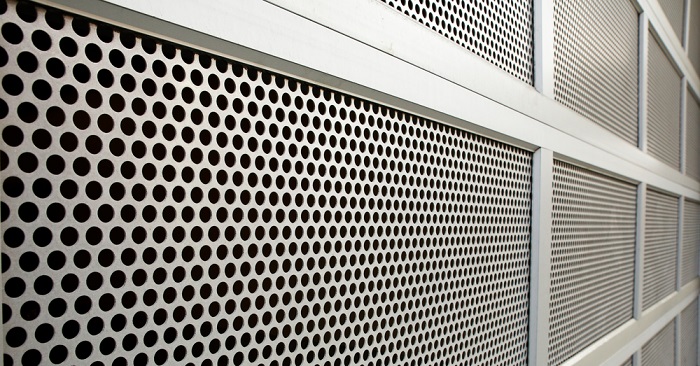
Architectural Facades and Cladding
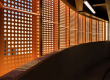
Modern buildings increasingly utilize perforated metal facades to improve:
- Solar shading
- Natural ventilation
- Energy efficiency
- Building aesthetics
Round hole perforated panels provide a timeless appearance suitable for both contemporary and traditional architecture.
Acoustic Panels
When combined with sound-absorbing materials, perforated panels can significantly reduce noise levels.
Common installations include:
- Airports
- Concert halls
- Office buildings
- Schools
- Auditoriums
The open area percentage directly influences acoustic performance.
Filtration and Screening
Round hole perforated metal remains one of the most reliable filtration materials for:
- Mining
- Food processing
- Agriculture
- Chemical processing
- Water treatment
Its consistent hole geometry ensures stable filtration performance.
Industrial Safety and Equipment Protection
Used extensively for:
- Machine guards
- Equipment enclosures
- Ventilation covers
- Protective barriers
Round perforations provide visibility while maintaining safety.
Decorative Interior Design
Designers often incorporate round hole panels into:
- Ceiling systems
- Room dividers
- Feature walls
- Furniture components
The perforated structure creates attractive light and shadow effects that enhance spatial depth.
How to Select the Right Round Hole Perforated Metal Panel
Before purchasing, engineers should evaluate several critical factors.
Material Selection
For outdoor projects:
- Stainless Steel 304
- Stainless Steel 316
- Aluminum
are generally recommended.
For indoor decorative applications:
- Galvanized Steel
- Powder-Coated Steel
- Aluminum
often provide the most economical solution.
Open Area Requirements
Higher open area typically provides:
- Better airflow
- Increased transparency
- Improved acoustic absorption
However, it may reduce structural strength.
The ideal balance depends on project requirements.
Hole Size and Sheet Thickness
As a general engineering rule:
Hole Diameter ≥ Material Thickness
This helps ensure:
- Clean punching quality
- Tool longevity
- Manufacturing efficiency
Why Choose HIGHTOP Round Hole Perforated Metal Panels?
As a professional perforated metal manufacturer in China, HIGHTOP offers comprehensive solutions for architectural, industrial, and decorative applications.
Extensive Manufacturing Experience
Years of production experience serving:
- Contractors
- Architects
- Distributors
- Engineering firms
- Industrial manufacturers
Advanced Production Equipment
Utilizing modern CNC punching systems to ensure:
- Precise hole dimensions
- Consistent open area
- Smooth edges
- High production efficiency
Flexible Customization
Available customization options include:
- Hole diameter
- Hole spacing
- Sheet thickness
- Material selection
- Surface treatment
- Custom panel dimensions
Global Export Capability
HIGHTOP products are supplied to projects throughout:
- North America
- Europe
- Australia
- Southeast Asia
- Middle East
- South America
Procurement Decision Guide
Choose 60° staggered round hole perforated metal panels if you need:
✓ Maximum versatility
✓ Best strength-to-open-area ratio
✓ Cost-effective performance
✓ Reliable long-term durability
Choose 45° staggered panels if you need:
✓ Enhanced visual uniqueness
✓ Balanced strength and aesthetics
Choose 90° straight panels if you prioritize:
✓ Architectural appearance
✓ Symmetrical design
✓ Modern visual impact
For most industrial and commercial projects, 60° staggered round hole perforated metal panels remain the preferred engineering solution.
60°
FAQ: Round Hole Perforated Metal Panels
What are round hole perforated metal panels used for?
They are widely used for architectural facades, acoustic panels, filtration systems, machine guards, ventilation screens, decorative cladding, and industrial screening applications.
Which round hole pattern is strongest?
The 60° staggered round hole pattern generally provides the highest strength and best open-area performance.
What materials are available?
Common materials include stainless steel, galvanized steel, carbon steel, aluminum, brass, copper, and titanium.
Are round hole perforated panels suitable for outdoor use?
Yes. Stainless steel and aluminum perforated panels offer excellent corrosion resistance and long-term outdoor durability.
What is the difference between 45°, 60°, and 90° hole arrangements?
60° staggered offers the best overall performance, 45° staggered provides a unique appearance with good strength, and 90° straight emphasizes architectural symmetry.
Can HIGHTOP manufacture custom perforated metal panels?
Yes. HIGHTOP offers custom hole sizes, spacing, materials, dimensions, and surface treatments according to project requirements.
Request a Quote
Please email us via the contact form below, we will get back to you as soon as possible.