
Article Summary
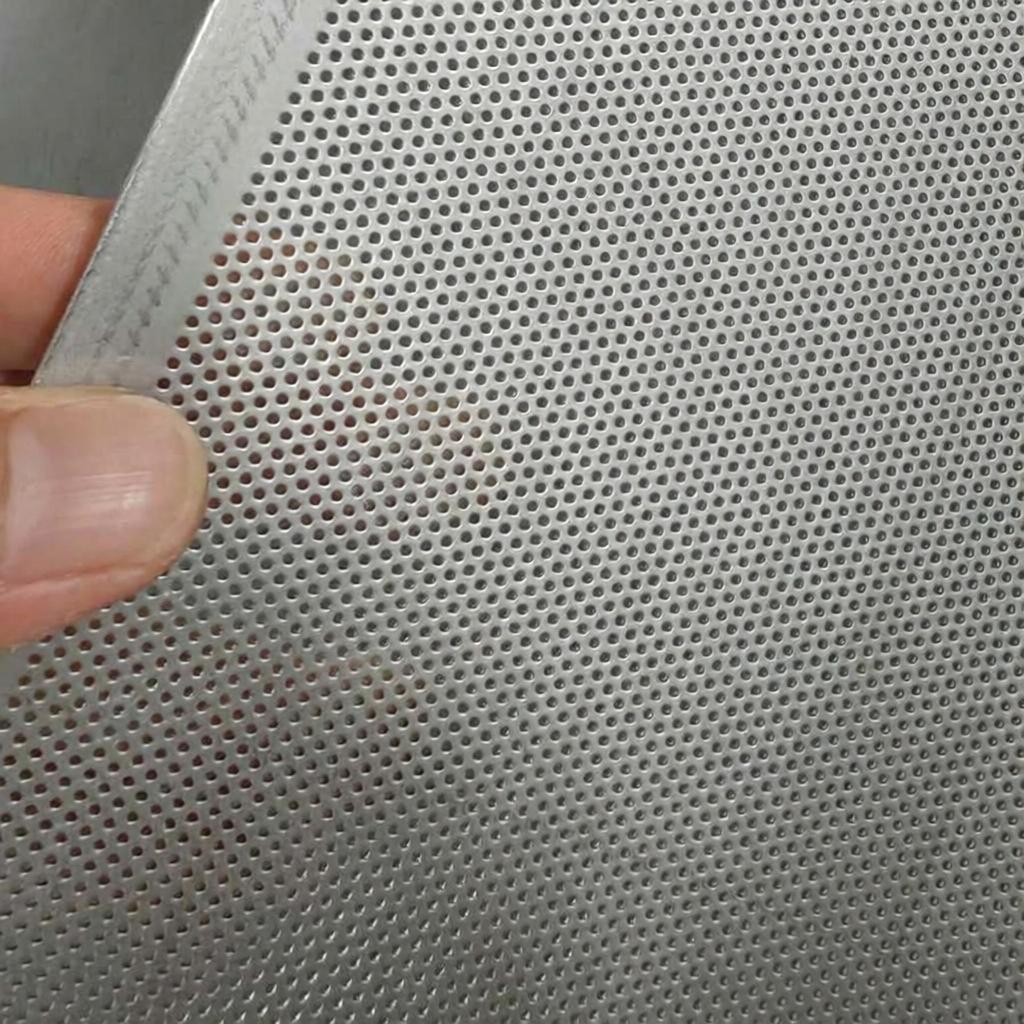
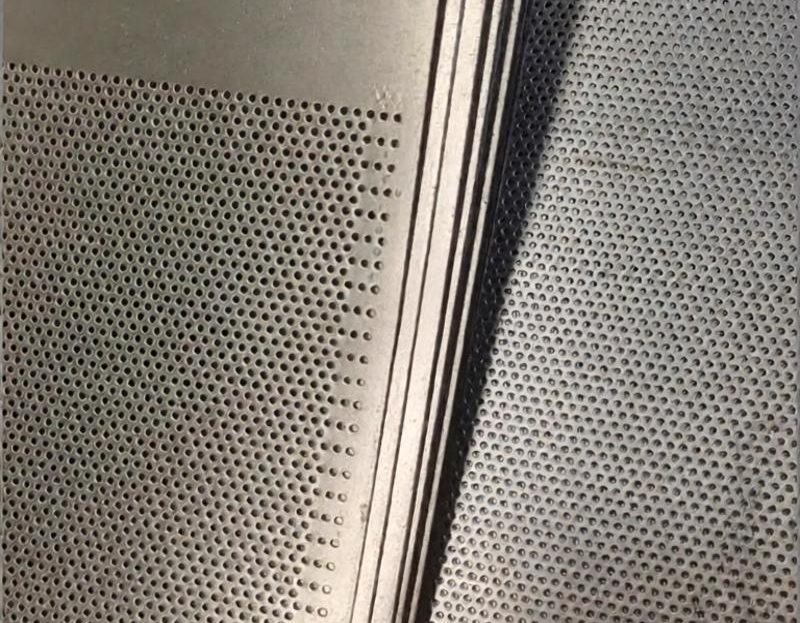
A micro perforated metal sheet is a precision-engineered metal sheet manufactured with very small, accurately distributed holes. Unlike conventional perforated sheets, micro perforated sheets are designed for applications where controlled openings, filtration performance, flow management, and dimensional consistency are critical.
HIGHTOP supplies micro perforated metal sheets with common hole sizes from 0.4 mm to 1 mm, as well as customized perforation sizes. Stainless steel, galvanized steel, carbon steel, titanium, nickel, and other materials are available for different operating conditions.
Explore HIGHTOP Micro Perforated Metal Sheets
What Is a Micro Perforated Metal Sheet?
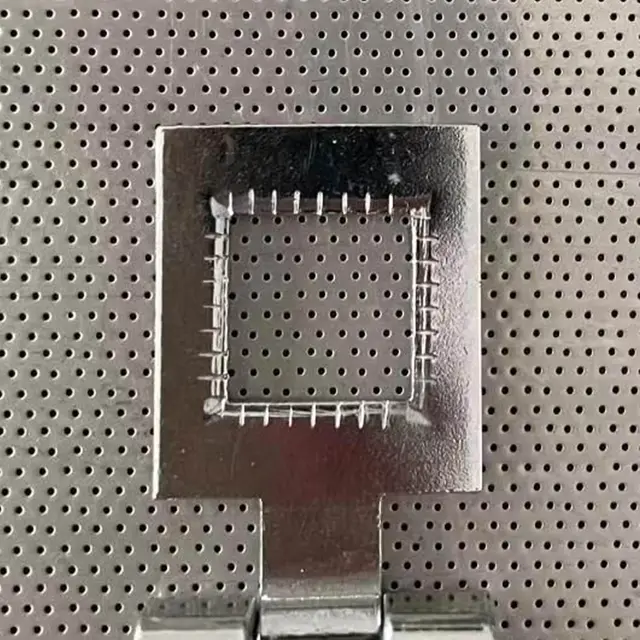
A micro perforated metal sheet is a flat metal sheet processed with a large number of small, precisely positioned openings.
The manufacturing process creates controlled perforations while maintaining the basic structure of the metal sheet. This makes the product different from woven wire mesh, where individual wires are interlaced to create openings.
The key value of micro perforated metal is the ability to combine:
- Small and controlled openings
- Consistent open area
- Mechanical strength
- Precise flow control
- Filtration capability
- Long-term durability
The appropriate specification depends heavily on the application. A sheet designed for liquid filtration, for example, may require different material and perforation parameters from one used in food processing or industrial equipment.
Common Hole Sizes
One of the most important specifications when purchasing micro perforated metal is the hole size.
HIGHTOP’s commonly available hole sizes include:
- 0.4 mm
- 0.5 mm
- 0.6 mm
- 0.8 mm
- 1.0 mm
- Custom sizes
Hole diameter should not be considered separately. Buyers also need to evaluate sheet thickness, material, hole arrangement, open area, flow requirements, and the type of medium being processed.
For precision applications, these parameters should be confirmed before production to ensure that the finished sheet meets the required performance.
Materials for Micro Perforated Metal Sheets
Different working environments require different metal materials. HIGHTOP offers several material options for micro perforated sheets.
Stainless Steel
Stainless steel is widely used where corrosion resistance, durability, and cleanliness are important.
It is particularly suitable for food processing, chemical processing, water treatment, filtration equipment, and other demanding industrial environments.
Carbon Steel
Carbon steel provides good mechanical strength and can be a cost-effective option when extreme corrosion resistance is not the primary requirement.
Surface treatment can further improve its resistance to environmental exposure.
Galvanized Steel
Galvanized steel has a zinc coating that helps protect the underlying steel from corrosion.
It can be considered for industrial applications where a balance between cost and corrosion resistance is required.
Titanium and Nickel
Titanium and nickel are suitable for specialized applications where standard steel materials may not provide the required combination of corrosion resistance, chemical stability, or service performance.
These materials are particularly relevant to demanding chemical and industrial environments.
Surface Finishes and Protection
Micro perforated metal sheets can be supplied with different surface conditions depending on the material and application.
Common options include:
- Mill finish
- Polished
- Galvanized
- Powder coated
The appropriate finish should be selected according to the working environment, appearance requirements, corrosion exposure, and subsequent fabrication process.
For example, a polished stainless steel surface may be preferred when cleanliness and appearance are important, while galvanized or powder-coated steel may be more appropriate for applications requiring additional surface protection.
Why Micro Perforation Matters
The smaller the opening, the more important manufacturing accuracy becomes.
In filtration and separation applications, inconsistent holes can affect the size of particles passing through the sheet. Variations can also influence pressure drop, flow rate, screening efficiency, and product consistency.
For this reason, buyers should look beyond the nominal hole diameter and evaluate the complete technical specification.
Important factors include:
Hole Diameter
Determines the approximate size of particles or materials that can pass through the opening.
Open Area
The percentage of the sheet occupied by openings affects airflow, liquid flow, filtration capacity, and pressure drop.
Sheet Thickness
Thickness influences mechanical strength, durability, weight, and the ability of the sheet to withstand operating loads.
Material
Material selection determines corrosion resistance, temperature performance, chemical compatibility, and service life.
Hole Pattern
The arrangement of the perforations influences open area, appearance, structural performance, and manufacturing feasibility.
Micro Perforated Metal vs. Conventional Perforated Sheet
Micro perforated metal should not automatically be considered better than conventional perforated sheet. The right choice depends on the application.
A conventional perforated sheet with larger openings may be more economical for ventilation, architectural cladding, machine guards, or general screening.
Micro perforated sheets become more attractive when the project requires smaller openings and more precise separation or flow control.
For example, a manufacturer processing fine materials may need a much smaller opening than a building facade requires.
Therefore, the purchasing decision should begin with the required function rather than simply choosing the smallest available hole.
Applications of Micro Perforated Metal Sheets
Micro perforated metal sheets are used across industries where controlled openings and durable metal construction are required.
Industrial Equipment
Micro perforated sheets can be integrated into processing and separation equipment used for:
- Grain processing
- Material processing
- Chemical production
- Food production
The perforated structure can support screening, separation, ventilation, or material flow control depending on the equipment design.
Power Plants
Power-generation facilities involve demanding operating conditions and complex filtration and processing requirements.
Micro perforated metal can be used in applications associated with:
- Nuclear power
- Hydroelectric power
- Coal power
- Geothermal power
Material selection is particularly important in these environments because temperature, pressure, corrosion, and chemical exposure can vary significantly.
Liquid Filtration
One of the most important applications is liquid filtration.
Micro perforated sheets can be used in:
- Hydraulic filters
- Dewatering equipment
- Fish screens
- Fracking equipment
The small openings provide controlled passage while the metal substrate offers structural durability.

Industrial and Specialized Applications
Beyond filtration, micro perforated metal sheet can be incorporated into equipment where controlled openings, strength, and durability are required.
Pulp, Paper, and Petrochemical Industries
Pulp and paper production, petrochemical processing, and water treatment involve continuous material handling and filtration.
Micro perforated metal can be fabricated into screens, filter components, separation panels, and other equipment parts where a controlled opening is required.
Material selection is particularly important in chemical and petrochemical applications. Stainless steel, nickel, and titanium can be considered when the operating environment involves corrosive media or demanding service conditions.
Mining and Material Processing
Mining and mineral processing equipment often operates under abrasive and high-load conditions.
Micro perforated sheets can be used for screening and separation components where the opening size needs to remain relatively consistent during operation.
For these applications, buyers should consider not only hole diameter but also material strength, sheet thickness, wear conditions, and expected service life.
Transportation and Heavy Equipment
Micro perforated metal sheets can also be used in transportation and heavy equipment applications, including:
- Aircraft and watercraft
- Construction equipment
- Agricultural machinery
- Road transportation equipment
- Railway equipment
The combination of low open-area control, mechanical strength, and metal durability allows perforated sheets to function as protective, ventilation, filtration, or equipment components.
Biomedical Applications
Micro perforated metal has applications beyond traditional industrial filtration.
In biomedical engineering, precisely controlled metal structures can be considered for applications such as controlled drug delivery systems and tissue engineering scaffolds.
These applications require particularly careful control of material properties, surface characteristics, pore or opening dimensions, and interaction with biological environments.
For biomedical projects, material compatibility and application-specific engineering requirements should always be evaluated before selecting a perforated metal specification.
How to Choose the Right Micro Perforated Metal Sheet
For B2B buyers, selecting a suitable micro perforated sheet should start with the actual operating conditions.
Step 1: Define the Application
Determine whether the sheet will be used for filtration, screening, material processing, equipment protection, ventilation, or another purpose.
This establishes the basic performance requirements.
Step 2: Determine the Required Hole Size
Select the required opening based on the particle size, filtration requirement, airflow, liquid flow, or other process requirements.
If the required size is not a standard specification, a custom perforation should be discussed with the manufacturer.
Step 3: Select the Material
Consider:
- Corrosion exposure
- Chemical compatibility
- Temperature
- Mechanical loads
- Hygiene requirements
- Service life
- Budget
Stainless steel is a versatile choice for many industrial applications, while titanium and nickel may be more appropriate for highly specialized environments.
Step 4: Confirm Sheet Thickness and Dimensions
The sheet needs to withstand the mechanical conditions of the application without excessive deformation.
For large orders, buyers should also confirm sheet length, width, packaging, and fabrication requirements before production.
Step 5: Consider the Surface Finish
Mill, polished, galvanized, and powder-coated surfaces provide different functional and visual characteristics.
The finish should be compatible with the application and any subsequent fabrication processes.
Why Choose HIGHTOP for Micro Perforated Metal?
For precision perforated products, manufacturing capability is an important consideration.
HIGHTOP has extensive experience in perforated metal manufacturing and provides micro perforated sheets for industrial and specialized applications.
The company can supply materials including stainless steel, galvanized steel, carbon steel, titanium, nickel, and other materials.
Common hole sizes range from 0.4 mm to 1 mm, while customized dimensions can be discussed according to project requirements.
HIGHTOP also supports different surface finishes and export packaging options, including plywood crates and steel pallets.
View HIGHTOP Micro Perforated Metal Sheet Products
Custom Micro Perforated Sheets for B2B Projects
Industrial customers do not always need an off-the-shelf product.
HIGHTOP can discuss customized requirements involving:
- Hole diameter
- Hole pattern
- Sheet dimensions
- Material
- Thickness
- Surface finish
- Packaging
- Special fabrication requirements
For a quotation, it is useful to provide the application, required hole size, material preference, sheet dimensions, estimated quantity, and drawings or samples if available.
The more complete the technical information, the easier it is for the manufacturer to recommend a suitable specification and avoid unnecessary trial and error.
Frequently Asked Questions
What is a micro perforated metal sheet used for?
It is mainly used where small, controlled openings are required for filtration, screening, flow management, material processing, ventilation, and specialized equipment.
What is the smallest hole size available?
HIGHTOP commonly supplies micro perforated sheets with holes starting at 0.4 mm. Custom sizes can also be discussed according to manufacturing feasibility and project requirements.
What materials are available?
Common options include stainless steel, carbon steel, galvanized steel, titanium, nickel, and other metals.
Can micro perforated metal be used for liquid filtration?
Yes. It can be used for applications such as hydraulic filtration, dewatering, fish screens, and certain industrial filtration systems. The correct hole size, material, thickness, and open area must be selected according to the liquid and filtration requirements.
Is stainless steel suitable for micro perforated sheets?
Yes. Stainless steel is widely used when corrosion resistance, durability, cleanliness, and long service life are important.
Can the dimensions be customized?
Yes. HIGHTOP supports customized dimensions and perforation specifications for B2B projects.
What packaging is available?
Micro perforated sheets can be packed in plywood crates or on steel pallets, depending on product dimensions, quantity, and shipping requirements.
Request a Quote
Please email us via the contact form below, we will get back to you as soon as possible.