
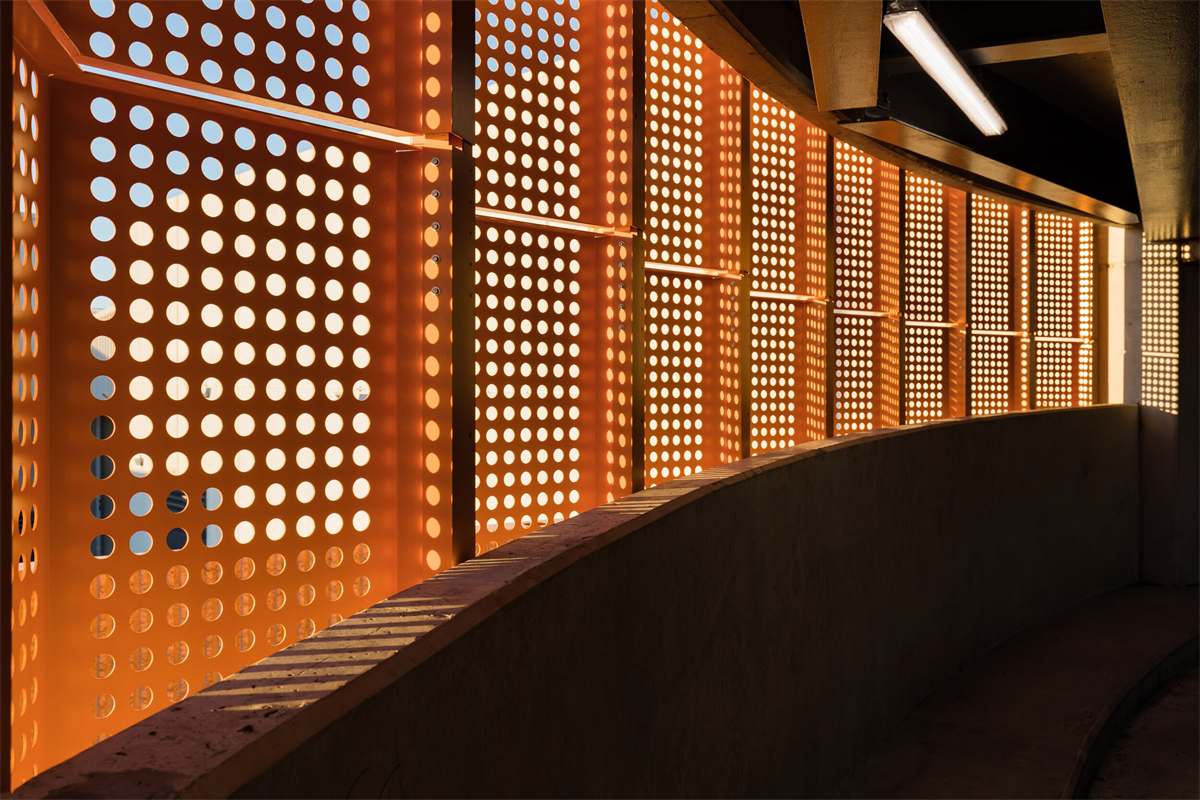
Metal perforated panels are widely used across modern industry and architecture because they combine precise openings, structural strength, ventilation, filtration, acoustic performance, and visual appeal.
From industrial screening and filtration to architectural façades, acoustic ceilings, machine guards, and decorative partitions, perforated metal panels can be customized according to specific performance and design requirements.
The material is also known by several related names, including perforated metal sheet, perforated metal panels, perforated plates, punched plates, and perforated mesh.
Although these products may look simple, their performance depends heavily on material selection, hole pattern, aperture size, pitch, open area, sheet thickness, and manufacturing accuracy.
Understanding these factors is essential when selecting perforated metal panels for industrial or architectural applications.
How Metal Perforated Panels Are Manufactured
The manufacturing of perforated metal panels involves much more than simply punching holes into a metal sheet.
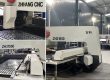
The basic process starts with a metal sheet that is processed using precision punching equipment and dedicated dies. Depending on the application, additional processes such as cutting, bending, leveling, and surface treatment may also be required.
Modern CNC punching machines help control critical dimensions such as:
- Hole diameter
- Hole spacing
- Pitch
- Sheet thickness
- Open area
- Panel dimensions
- Hole pattern
For large-scale projects, manufacturing consistency is particularly important because small dimensional differences can become highly visible when multiple panels are installed together.
Custom Hole Patterns and Opening Designs
One of the major advantages of perforated metal panels is their high level of customization.
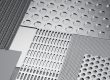
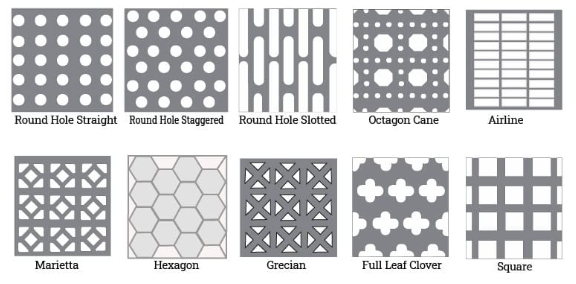
Common hole patterns include:
- Round holes
- Square holes
- Rectangular holes
- Diamond holes
- Hexagonal holes
- Slotted holes
- Cross-shaped holes
- Decorative patterns
- Custom irregular patterns
The aperture, pitch, arrangement, and open area can be adjusted according to the requirements of the application.
This allows manufacturers to balance strength, airflow, light transmission, filtration performance, acoustic performance, and visual appearance.
Wide Range of Metal Materials
Perforated metal panels can be manufactured from different metals depending on the operating environment.
Common materials include:
- Mild steel
- Galvanized steel
- Stainless steel
- Aluminum
- Copper
- Titanium
- Nickel and other special alloys
Stainless steel perforated panels are particularly suitable for applications requiring corrosion resistance, durability, hygiene, or high-temperature performance.
Aluminum perforated panels are widely used in architectural applications because they combine low weight, corrosion resistance, rigidity, and excellent surface finishing possibilities.
Surface treatments can include:
- Powder coating
- PVDF coating
- Anodizing
- Hot-dip galvanizing
- Polishing
- Brushing
The appropriate treatment depends on whether the panels are used indoors, outdoors, in coastal environments, or in demanding industrial conditions.
Industrial Applications of Perforated Metal Panels
Industrial applications remain one of the most important markets for perforated metal panels.
Their combination of precise openings, mechanical strength, durability, and customizable dimensions makes them suitable for screening, filtration, protection, ventilation, and separation.
Screening and Separation
Perforated metal screens are widely used in industries such as:
- Mining
- Metallurgy
- Coal processing
- Quarries
- Aggregate processing
- Recycling
- Material handling
In these applications, perforated screen plates can be used for grading, sizing, washing, dewatering, and material separation.
The hole size and open area determine the screening efficiency, while material thickness and strength influence service life under impact and abrasive conditions.
For demanding applications, selecting the correct material and thickness is therefore essential.
Filtration Applications
Stainless steel perforated panels are also used as supporting and filtration components in:
- Chemical processing
- Pharmaceutical equipment
- Food processing
- Water treatment
- Oil and gas equipment
- Industrial filtration systems
Perforated plates can function as support layers for filter media or as coarse screening components.
In some high-precision filtration systems, perforated plates are combined with multi-layer wire mesh to create a stronger composite filter element.
This structure combines the strength of the perforated plate with the filtration precision of woven wire mesh.
Machine Guards and Protective Panels
Perforated metal panels can also provide physical protection while maintaining airflow.
They are commonly used for:
- Machine guards
- Equipment enclosures
- Ventilation covers
- Fan guards
- HVAC components
- Generator enclosures
- Electrical equipment protection
The open structure allows heat and air to pass through while reducing direct access to moving or hazardous components.
This makes perforated panels a practical alternative to completely solid metal covers.
Perforated Metal Panels for Acoustic Applications
Another important application is architectural and industrial acoustic control.
Perforated metal panels can be incorporated into acoustic systems because the holes allow sound waves to interact with the material or the sound-absorbing layer installed behind it.
How Perforated Panels Absorb Sound
The acoustic performance of a perforated panel depends on several factors, including:
- Hole diameter
- Hole spacing
- Open area
- Panel thickness
- Cavity depth
- Backing material
- Type and thickness of acoustic insulation
When a perforated metal panel is combined with an appropriate acoustic backing material, the system can help control reflected sound and reduce reverberation.
This makes perforated metal panels suitable for:
- Conference rooms
- Airports
- Railway stations
- Convention centers
- Gymnasiums
- Auditoriums
- Commercial buildings
- Industrial noise-control systems
Acoustic Ceilings and Wall Panels
In architectural interiors, perforated aluminum panels and steel panels are frequently used as acoustic ceilings and wall systems.
The metal surface provides a durable and visually clean finish, while the acoustic material behind the perforated panel provides the primary sound absorption function.
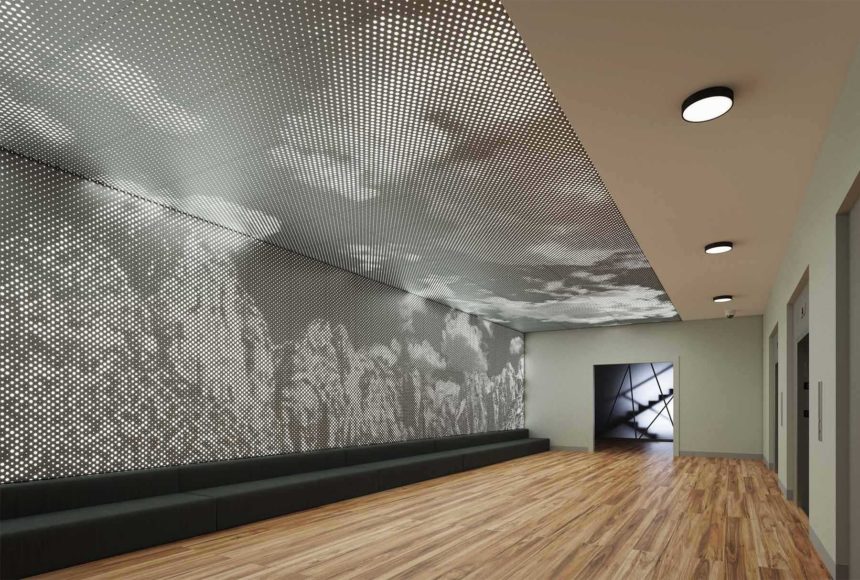
By changing the hole pattern and panel finish, architects can achieve different visual effects without sacrificing acoustic functionality.
Architectural Applications: Light, Shadow, and Building Design
The architectural application of perforated metal panels has expanded rapidly because the material provides both functional and aesthetic benefits.
Instead of being used only as a protective or industrial component, perforated metal can become an important part of a building’s visual identity.
Perforated Metal Facades
One of the most recognizable applications is the perforated metal facade.
Perforated panels can be installed as a second skin outside the main building envelope.
This creates several potential benefits:
- Solar shading
- Privacy control
- Ventilation
- Visual screening
- Building decoration
- Reduced glare
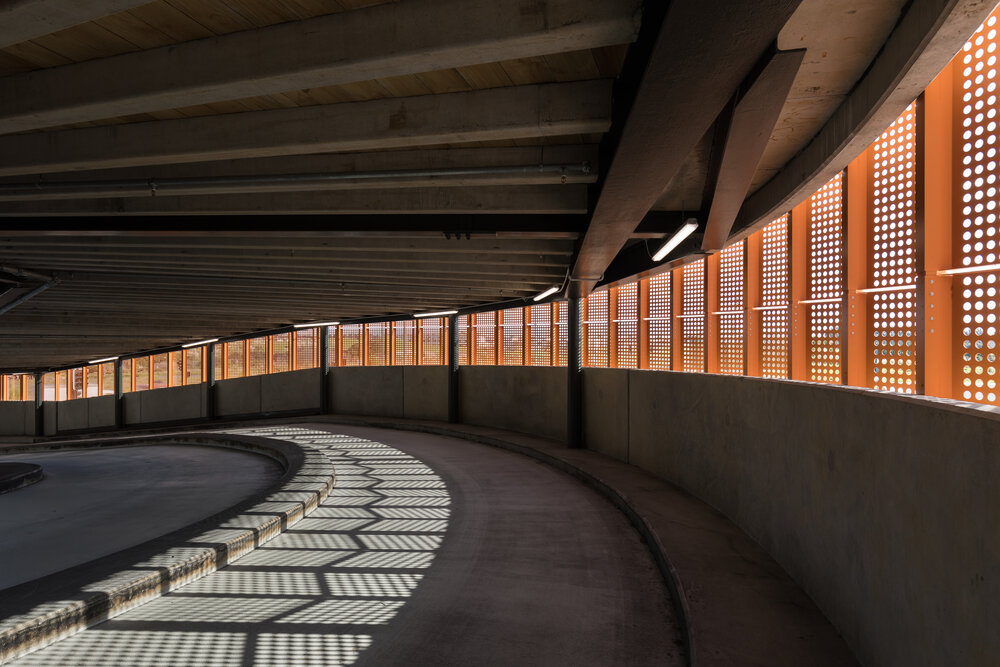
- Dynamic light and shadow effects
During the day, sunlight passes through the openings and creates changing patterns on the building surface.
At night, interior lighting can create an entirely different visual effect, allowing the facade to become part of the building’s architectural identity.
Solar Shading and Double-Skin Facades
Perforated aluminum panels are particularly suitable for solar-control applications.
By adjusting the open area, hole size, pattern density, and installation angle, designers can control the amount of direct sunlight reaching the building envelope.
This can help reduce solar heat gain while maintaining daylight and natural visibility.
For buildings in hot climates, properly designed perforated screens can therefore contribute to passive solar-control strategies.
Interior Partitions and Decorative Screens
Perforated metal panels are also widely used indoors as:
- Room dividers
- Decorative screens
- Ceiling panels
- Staircase panels
- Feature walls
- Retail displays
- Reception backgrounds
- Interior cladding
Unlike solid partitions, perforated panels can visually separate different areas while maintaining a sense of openness.
This makes them particularly suitable for offices, hotels, restaurants, shopping centers, and other commercial spaces.
Key Design Trends for Perforated Metal Architecture
The development of digital design and sustainable construction is creating new opportunities for perforated metal panels.
Parametric and Custom Pattern Design
Modern architectural software allows designers to create highly customized perforation patterns.
Instead of using one uniform hole size across an entire panel, architects can design:
- Gradient perforations
- Geometric patterns
- Organic patterns
- Custom logos
- Image-based patterns
- Variable open-area designs
This gives perforated metal a role beyond traditional building materials.
The panel itself can become part of the architectural artwork.
Sustainable Building Design
Perforated metal panels can also support sustainable architectural strategies.
Metal materials such as aluminum and stainless steel are recyclable, while perforated facade systems can contribute to passive solar shading and ventilation.
A properly designed perforated facade may reduce direct solar radiation while still allowing natural daylight and airflow.
For green building projects, the combination of durability, recyclability, lightweight construction, and solar control makes perforated metal an attractive material option.
Integration with Modern Building Technologies
Future architectural applications may increasingly combine perforated metal with other technologies.
Potential applications include:
- Integrated LED lighting
- Building-integrated photovoltaic systems
- Smart shading systems
- Advanced protective coatings
- Decorative lighting
- Digital fabrication
This creates opportunities for perforated metal panels to become more than passive architectural surfaces.
How to Choose the Right Perforated Metal Panel
Not every perforated metal panel is suitable for every project.
Before placing an order, buyers should consider several key specifications.
Choose the Right Material
Material selection should be based on the environment and required performance.
| Application | Recommended Material |
|---|---|
| Indoor decorative panels | Aluminum / Stainless Steel |
| Coastal environments | 316 Stainless Steel / Aluminum |
| General industrial use | Mild Steel / Stainless Steel |
| Food processing | 304 / 316 Stainless Steel |
| Chemical environments | 316 Stainless Steel / Special Alloys |
| Lightweight architectural facades | Aluminum |
| Heavy-duty screening | Carbon Steel / Stainless Steel |
The correct material can significantly influence corrosion resistance, weight, service life, and overall project cost.
Consider Hole Size, Pitch, and Open Area
Hole diameter alone does not determine the performance of a perforated panel.
Buyers should also consider:
- Hole shape
- Hole diameter
- Pitch
- Arrangement
- Open area
- Sheet thickness
These parameters affect ventilation, filtration, light transmission, acoustic performance, appearance, and mechanical strength.
For architectural projects, consistent pitch and hole positioning are especially important because small deviations may become noticeable across large facade installations.
Surface Treatment
Surface treatment should be selected according to the installation environment.
For outdoor architectural applications, common choices include:
- PVDF coating
- Powder coating
- Anodizing
- Hot-dip galvanizing
For stainless steel panels, finishes such as brushing, polishing, and other decorative treatments can be selected according to the design requirements.
A suitable surface treatment improves corrosion resistance while also determining the final appearance of the panel.
Manufacturing Accuracy and Quality Control
For industrial and architectural applications, quality control is just as important as material selection.
A professional perforated metal manufacturer should be able to control:
- Hole diameter
- Pitch accuracy
- Sheet thickness
- Panel dimensions
- Flatness
- Hole pattern consistency
- Surface quality
- Coating quality
For large projects involving hundreds of panels, batch-to-batch consistency is particularly important.
Why Choose HIGHTOP for Perforated Metal Panels?
HIGHTOP Metal Mesh provides customized perforated metal solutions for industrial and architectural applications.
Our product range includes:
- Stainless steel perforated panels
- Aluminum perforated panels
- Carbon steel perforated sheets
- Galvanized perforated panels
- Decorative perforated metal
- Custom perforated metal panels
Quality Control from Raw Material to Finished Panel
HIGHTOP applies systematic quality control throughout the manufacturing process.
Depending on the product and application, inspection can cover:
- Raw material verification
- Sheet thickness
- Hole diameter
- Hole pitch
- Panel dimensions
- Flatness
- Surface quality
- Coating quality
This helps maintain consistent performance across production batches.
Custom Manufacturing for Architectural Projects
Different projects often require different combinations of material, thickness, hole pattern, and surface finish.
HIGHTOP can support customized requirements including:
- Custom hole patterns
- Custom dimensions
- Different metal materials
- Different sheet thicknesses
- Custom open areas
- Powder coating
- PVDF coating
- Anodizing
- Galvanizing
For large-scale facade projects, production consistency and tooling control are particularly important to ensure that multiple panels maintain a visually uniform appearance after installation.
Export Packaging and Order Traceability
For international projects, packaging is an important part of product quality.
Proper protective packaging helps reduce the risk of:
- Scratches
- Moisture damage
- Impact damage
- Surface contamination
- Deformation during transportation
Order and production records can also help improve traceability throughout the manufacturing process.
Final Thoughts
Metal perforated panels have evolved from simple industrial screening components into versatile materials for modern manufacturing and architecture.
Their combination of strength, precise openings, ventilation, filtration, acoustic performance, solar control, and visual flexibility allows them to serve very different purposes within one material category.
In industry, perforated metal panels provide reliable screening, filtration, protection, and ventilation.
In architecture, they can become facades, ceilings, partitions, decorative screens, and solar-shading systems.
The key to successful application is not simply choosing a perforated sheet with the right hole size. Buyers should evaluate the complete specification, including material, thickness, hole pattern, pitch, open area, surface treatment, manufacturing accuracy, and supplier quality control.
For projects requiring consistent quality and customized perforated metal solutions, working directly with an experienced manufacturer can help reduce production and installation risks while achieving the required technical and visual results.
Request a Quote
Please email us via the contact form below, we will get back to you as soon as possible.