
Article Summary
Finding reliable perforated plate manufacturers is about much more than comparing prices. The right manufacturer should provide consistent product quality, advanced fabrication capabilities, engineering support, and stable delivery for projects ranging from architectural façades to industrial filtration systems. Modern perforated metal products are used across construction, mining, agriculture, food processing, machinery, acoustics, and interior decoration. This article explains how perforated plates are manufactured, what industries rely on them, how to evaluate a manufacturer, and why working directly with an experienced factory can reduce project costs while improving product quality.
What Is a Perforated Plate?
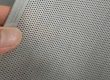
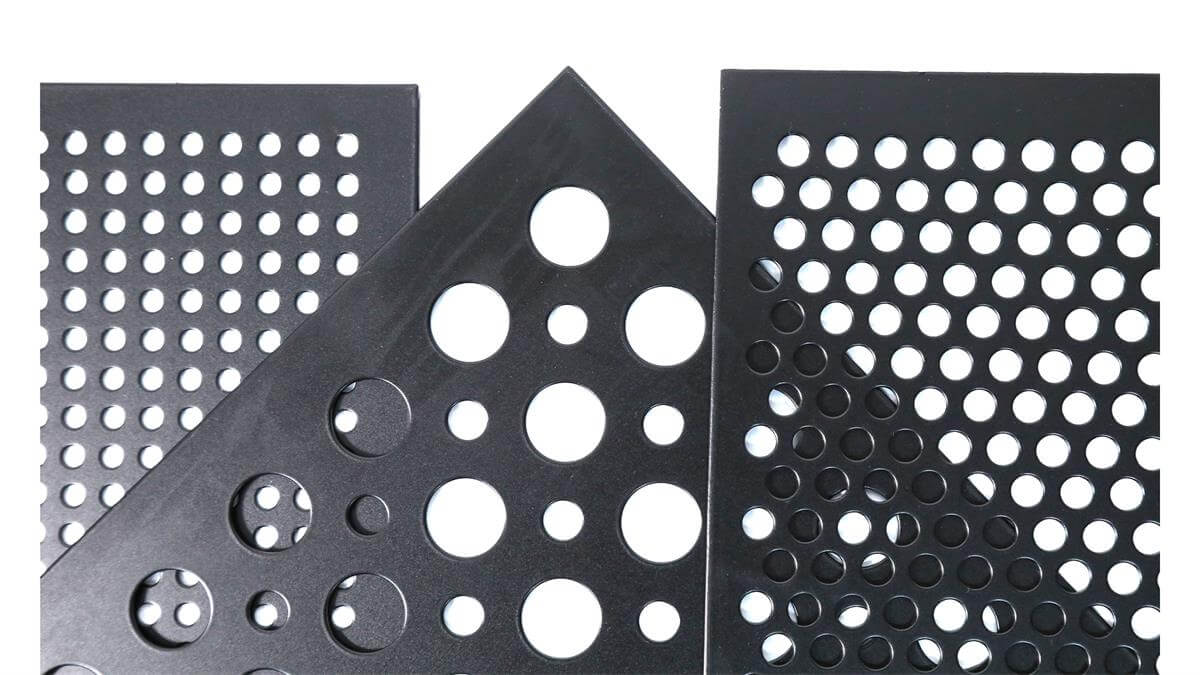
A perforated plate (also known as a perforated metal sheet, perforated steel plate, or perforated metal panel) is produced by punching precisely designed holes into flat metal sheets using CNC punching equipment.
Unlike expanded metal or woven wire mesh, perforated plates maintain a flat surface while providing controlled open areas that improve airflow, light transmission, drainage, acoustic performance, filtration efficiency, or decorative appearance.
Modern CNC punching technology allows manufacturers to produce thousands of different hole combinations with excellent dimensional accuracy and repeatability.
Depending on the application, perforated plates can be manufactured from:
- Stainless Steel
- Aluminum Alloy
- Galvanized Steel
- Carbon Steel
- Brass
- Copper
- Other specialty alloys
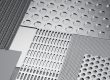
Available hole patterns include:
- Round holes
- Square holes
- Slotted holes
- Hexagonal holes
- Decorative patterns
- Custom laser-cut designs
The flexibility of perforated metal makes it one of today’s most versatile engineered sheet materials.
Why More Industries Depend on Perforated Plate Manufacturers
As architectural and industrial projects become increasingly specialized, standard metal sheets often fail to satisfy modern performance requirements.
Perforated plates solve multiple engineering challenges simultaneously by combining structural strength with controlled open areas.
Depending on hole size, spacing, and material selection, perforated plates can provide:
- Ventilation
- Sound absorption
- Weight reduction
- Sun shading
- Drainage
- Machine protection
- Decorative appearance
- Filtration and screening
- Heat dissipation
This multifunctionality explains why perforated metal continues to replace traditional materials across numerous industries.
Common Applications of Perforated Metal Plates
One of the greatest advantages of perforated metal is its exceptional versatility.
Architectural Decoration
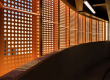
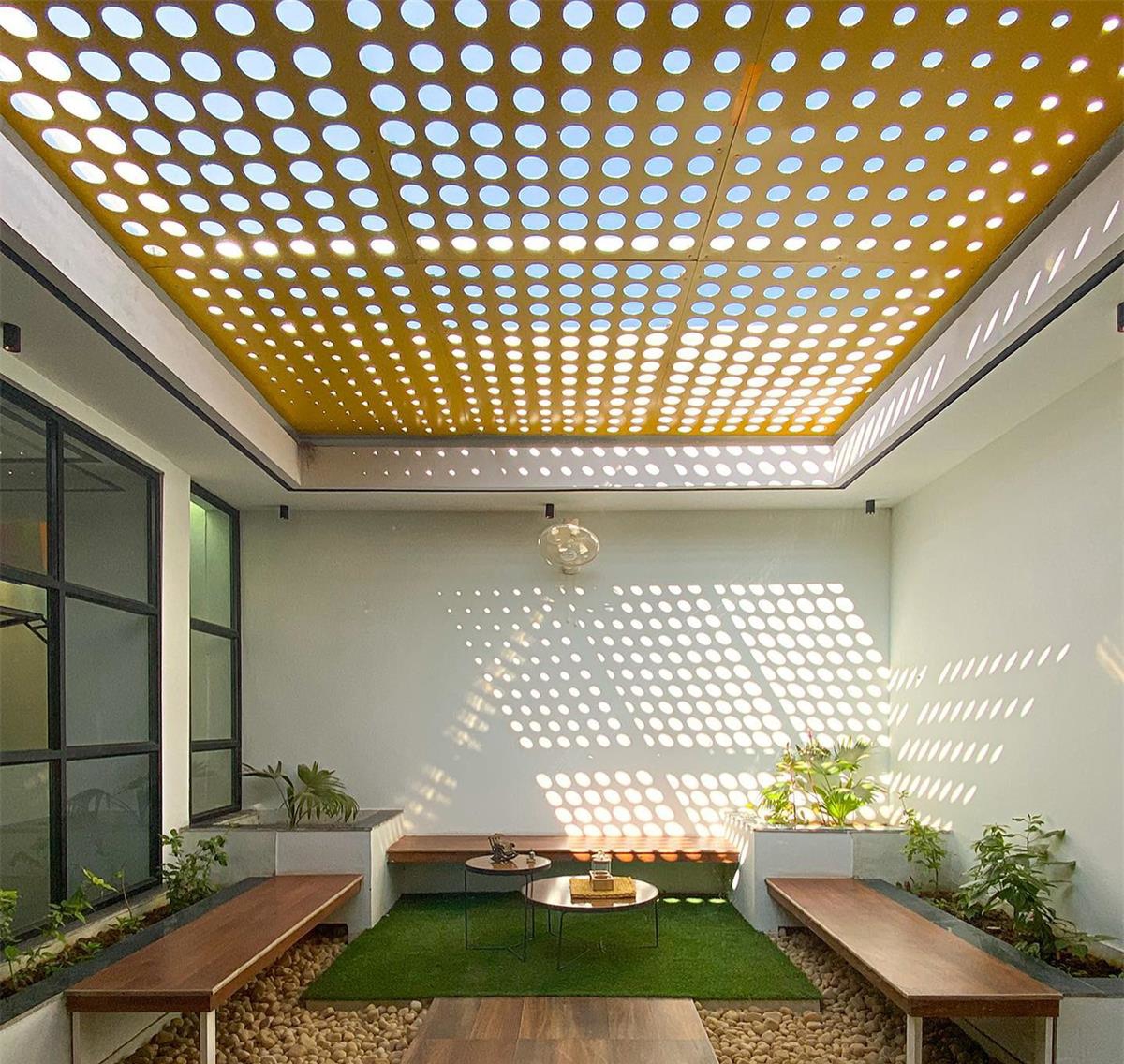
Architects increasingly specify perforated metal for modern commercial buildings because it combines aesthetics with functional performance.
Typical architectural applications include:
- Building façades
- Exterior wall cladding
- Decorative ceilings
- Balcony panels
- Privacy screens
- Interior partitions
- Sunshade systems
- Parking garage façades
- Acoustic wall panels
The availability of customized hole patterns allows designers to create distinctive building identities while improving ventilation and daylight control.
Industrial Filtration and Screening
Industrial manufacturers rely heavily on perforated plates for precision screening and filtration.
Applications include:
- Grain processing
- Mining screens
- Aggregate screening
- Chemical filtration
- Food processing
- Pharmaceutical equipment
- Water treatment
- Dust collection systems
Selecting the correct hole diameter, plate thickness, and open area is essential for maximizing filtration efficiency and equipment performance.
Machinery Safety Protection
Perforated metal is widely used to manufacture machine guards because it protects operators while maintaining visibility and airflow.
Common examples include:
- Equipment covers
- Fan guards
- Generator enclosures
- Motor protection
- Ventilation covers
The combination of strength and transparency makes perforated plates ideal for industrial safety applications.
Furniture and Interior Design
Decorative perforated metal has become increasingly popular in modern interior architecture.
Applications include:
- Decorative wall panels
- Cabinet doors
- Retail displays
- Restaurant interiors
- Elevator decoration
- Furniture components
- Lighting fixtures
Architects appreciate the balance between visual texture, durability, and low maintenance.
Food Processing Equipment
Food-grade stainless steel perforated plates are commonly used for:
- Fruit baskets
- Baking trays
- Food covers
- Drying equipment
- Storage trays
- Commercial kitchen equipment
Their smooth surface, hygienic properties, and corrosion resistance make stainless steel perforated sheets an ideal solution for food production environments.
How Perforated Plates Are Manufactured
Professional perforated plate manufacturers typically integrate multiple fabrication processes to meet diverse customer requirements.
The production process generally includes:
CNC Punching
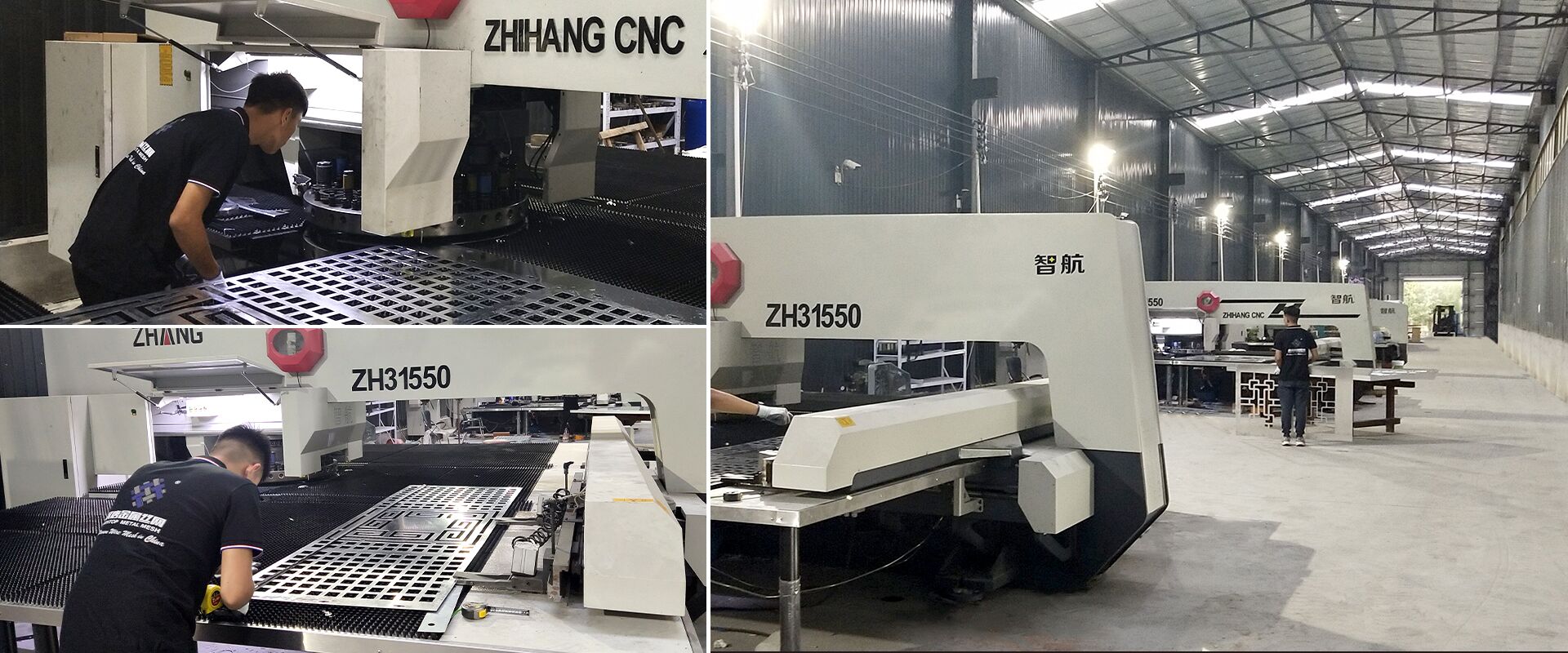
High-speed CNC punching machines create highly consistent hole patterns while maintaining tight dimensional tolerances.
Modern punching equipment supports thousands of standard tooling combinations, significantly reducing tooling costs for customers.
Laser Cutting
Laser cutting complements punching by producing complex decorative graphics, logos, and intricate custom patterns that cannot be achieved using conventional punching dies.
This technology is widely used for architectural decoration and premium commercial projects.
Sheet Metal Fabrication
After perforation, panels often undergo additional fabrication processes such as:
- Shearing
- Folding
- Bending
- Welding
- Rolling
- Framing
- Assembly
These secondary operations transform flat sheets into finished components ready for installation.
Surface Treatment
Surface finishing improves both appearance and durability.
Popular treatments include:
- Powder coating
- PVDF coating
- Anodizing
- Hot-dip galvanizing
- Electro-galvanizing
- Brushed finish
- Mirror polish
The appropriate finish depends on environmental conditions and project specifications.
What Makes a Professional Perforated Plate Manufacturer?
Not all suppliers offer the same level of manufacturing capability.
When evaluating perforated plate manufacturers, professional buyers typically consider several key factors.
Manufacturing Capacity
Large production capacity ensures stable quality and reliable lead times.
Manufacturers operating multiple production workshops with advanced CNC punching equipment are generally better positioned to support both trial orders and large-scale projects.
Engineering Support
Complex architectural and industrial applications often require customized engineering rather than standard catalog products.
An experienced engineering team should be able to:
- Optimize hole patterns
- Recommend suitable materials
- Improve structural performance
- Reduce manufacturing costs
- Develop products based on customer drawings
Engineering capability often determines whether a project proceeds smoothly from concept to production.
Custom Manufacturing Experience
Every project has unique requirements.
Professional manufacturers should support customization of:
- Hole diameter
- Hole spacing
- Open area
- Material thickness
- Sheet dimensions
- Surface treatment
- Fabricated components
The ability to manufacture according to customer drawings is particularly important for architectural and OEM applications.
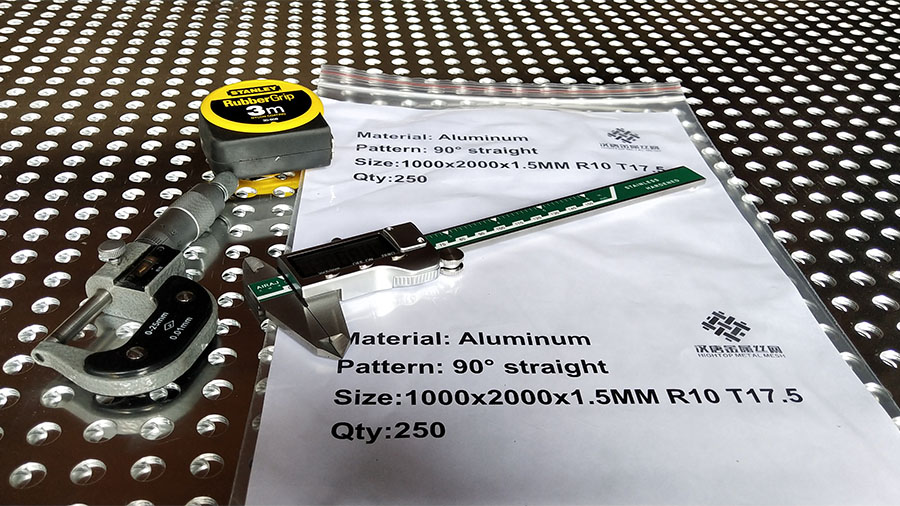
Why Choose HIGHTOP Among Perforated Plate Manufacturers?
Choosing the right supplier is just as important as selecting the right material. A professional manufacturer should not only produce high-quality perforated plates but also provide engineering support, customization, and stable production capacity.
As one of the leading perforated plate manufacturers in China, HIGHTOP Metal has specialized in perforated metal manufacturing and fabrication for more than 15 years, serving distributors, OEM manufacturers, contractors, and engineering companies worldwide.
Our capabilities include:
- More than 100 sets of punching and sheet metal fabrication equipment
- Three manufacturing facilities dedicated to perforated metal production
- ISO 9001 quality management system
- Complete fabrication services including punching, laser cutting, shearing, bending, welding, and powder coating
- Fast response for custom drawings and prototype development
Whether you need standard perforated sheets or highly customized architectural panels, HIGHTOP can provide a complete manufacturing solution from raw material to finished product.
Explore HIGHTOP’s Perforated Metal Solutions
HIGHTOP manufactures a wide range of perforated metal products for industrial and architectural applications.
Our product range includes:
- Round Hole Perforated Metal
- Square Hole Perforated Sheet
- Slotted Perforated Plate
- Decorative Perforated Panels
- Acoustic Perforated Ceiling Panels
- Filter Perforated Metal
- Expanded and Fabricated Perforated Components
Materials available include:
- Stainless Steel
- Aluminum Alloy
- Galvanized Steel
- Carbon Steel
- Brass
- Copper
Learn more about our manufacturing capabilities:
Perforated Metal Sheet Manufacturer & Supplier
Our engineering team can recommend the most suitable hole pattern, material, thickness, and fabrication method according to your project requirements.
Factory Advantages That Reduce Your Purchasing Cost
Working directly with experienced perforated plate manufacturers offers significant advantages over purchasing through trading companies or local distributors.
Factory Direct Pricing
Because HIGHTOP manufactures products in-house, customers avoid multiple distribution markups and receive more competitive pricing.
Extensive Punching Tool Inventory
One of the hidden costs in perforated metal production is tooling.
HIGHTOP maintains a large inventory of standard punching dies, allowing many projects to be produced without additional tooling charges. For custom designs, our tooling engineers help optimize hole layouts to minimize tooling costs while maintaining product performance.
Complete Custom Manufacturing
No two projects are exactly alike.
We support customization of:
- Hole size
- Hole spacing
- Open area
- Sheet thickness
- Panel dimensions
- Surface finish
- Folding and welding
- Powder coating
- Frame fabrication
From prototype quantities to large production runs, every order is manufactured according to customer specifications.
Reliable Technical Support
Our engineering and customer service teams work together throughout the project lifecycle, providing technical recommendations before production and responsive after-sales support after delivery.
Buying Checklist Before Contacting Perforated Plate Manufacturers
Preparing complete project information helps manufacturers recommend the most suitable solution and provide accurate quotations.
Before requesting a quotation, prepare the following:
✔ Application (architectural, industrial, filtration, machinery, food processing, etc.)
✔ Material preference
✔ Hole pattern
✔ Hole diameter
✔ Plate thickness
✔ Sheet dimensions
✔ Quantity
✔ Surface treatment requirements
✔ Drawings or CAD files (if available)
Providing this information early reduces communication time and helps shorten the production cycle.
Frequently Asked Questions
What do perforated plate manufacturers produce?
Professional manufacturers produce perforated metal sheets with various hole patterns, materials, and fabrication options for architectural, industrial, filtration, acoustic, and machinery applications.
Which material is best for perforated metal?
The best material depends on the application.
- Stainless steel offers excellent corrosion resistance and durability.
- Aluminum is lightweight and suitable for architectural decoration.
- Galvanized steel provides a cost-effective solution for many industrial applications.
- Brass and copper are commonly used for decorative projects.
Can perforated plates be customized?
Yes. Most professional manufacturers can customize:
- Hole shape
- Hole size
- Hole spacing
- Open area
- Material
- Thickness
- Panel dimensions
- Surface finish
- Fabricated components
according to customer drawings or samples.
What industries use perforated metal?
Perforated metal is widely used in:
- Architecture
- Construction
- Mining
- Agriculture
- Food processing
- Chemical plants
- Machinery manufacturing
- Acoustic engineering
- Transportation
- Interior decoration
Why buy directly from perforated plate manufacturers in China?
Purchasing directly from manufacturers often provides:
- Lower production costs
- Greater customization options
- Better engineering support
- Stable product quality
- Shorter communication chains
- Faster project execution
For long-term distributors and OEM customers, direct factory cooperation usually delivers better overall value.
How do I choose a reliable perforated plate manufacturer?
Evaluate suppliers based on:
- Manufacturing experience
- Production capacity
- Quality certification
- Engineering capability
- Customization services
- Export experience
- Technical support
- Consistent product quality
Working with an experienced manufacturer helps reduce project risks and ensures reliable delivery.
Request a Quote
Please email us via the contact form below, we will get back to you as soon as possible.