
Custom Perforated Metal Panels: The Complete Guide for Architects, Contractors, and Project Buyers
Article Summary
Custom perforated metal panels are engineered metal sheets manufactured with customized hole patterns, hole sizes, materials, thicknesses, and finishes to meet specific architectural, industrial, acoustic, ventilation, and decorative requirements.
Compared with standard perforated sheets, custom perforated metal panels offer:
- Greater design flexibility
- Better architectural aesthetics
- Improved airflow performance
- Enhanced acoustic control
- Project-specific structural strength
- Unique branding and visual identity
They are widely used in:
- Architectural facades
- Metal ceilings
- Sunshade systems
- Interior partitions
- Acoustic wall panels
- Security ceilings
- Transportation facilities
- Commercial buildings
As a professional perforated metal manufacturer, HIGHTOP provides fully customized perforated metal panels in aluminum, stainless steel, galvanized steel, and carbon steel with laser cutting, punching, welding, powder coating, anodizing, and fabrication services.
What Are Custom Perforated Metal Panels?
Custom perforated metal panels are metal sheets manufactured with specially designed perforation patterns instead of standard stock hole configurations.
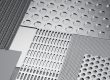
Unlike conventional perforated sheets that use fixed hole sizes and layouts, custom panels can be produced according to project requirements, including:
Customized Hole Shapes
- Round holes
- Square holes
- Slotted holes
- Hexagonal holes
- Diamond holes
- Decorative patterns
- Company logos
- Image perforation designs
Customized Materials
- Aluminum
- Stainless steel 304
- Stainless steel 316
- Carbon steel
- Galvanized steel
- Brass
- Copper
Customized Finishes
- Powder coating
- PVDF coating
- Anodizing
- Hot-dip galvanizing
- Brushed finish
- Mirror polishing
This flexibility makes custom perforated metal panels one of the most versatile materials available for modern architectural projects.
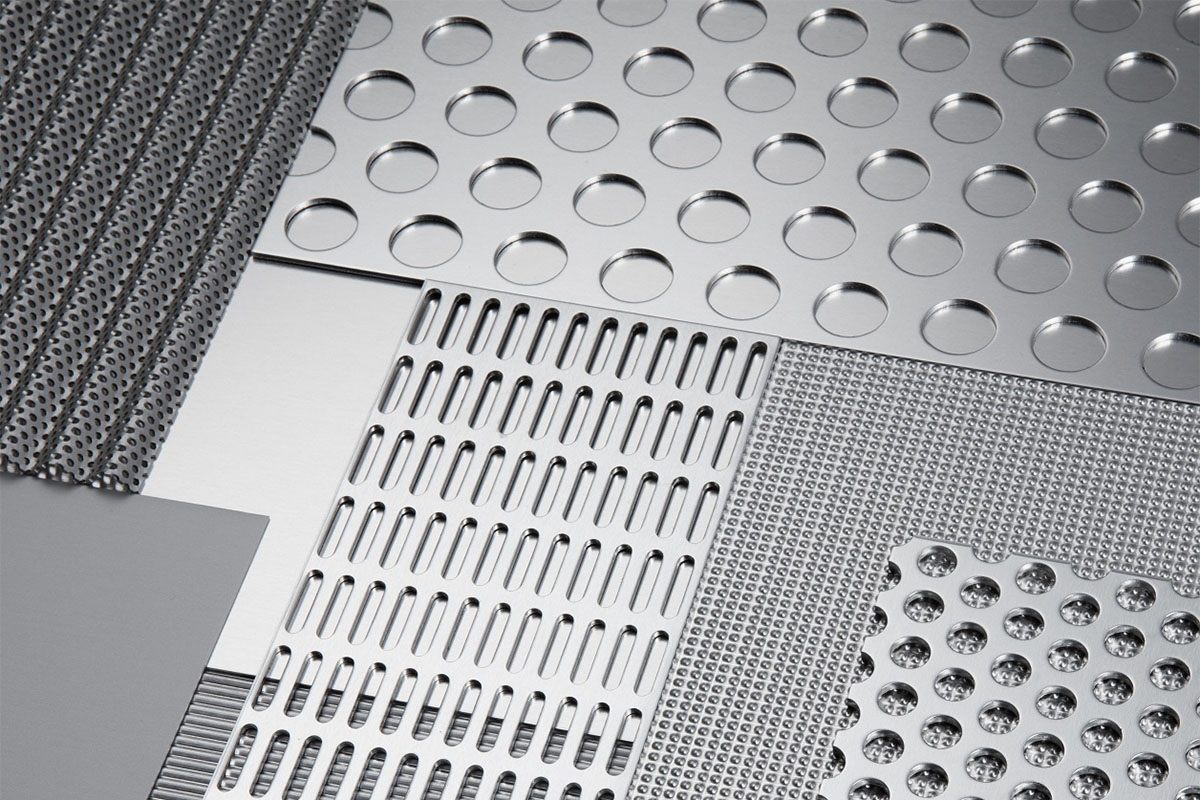
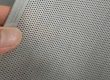
stainless steel perforated sheet metal
Why Are Custom Perforated Metal Panels So Popular?
Architects increasingly specify perforated metal because a single material can perform multiple functions simultaneously.
Architectural Decoration
Perforated panels create a clean, modern appearance while maintaining openness and transparency.
Ventilation
Air can pass through the openings, improving natural airflow.
This is especially important for:
- Parking structures
- Mechanical equipment rooms
- Ceiling systems
- Building facades
Daylight Control
Perforation patterns help control sunlight penetration.
Benefits include:
- Reduced glare
- Lower cooling costs
- Improved indoor comfort
Acoustic Performance
When combined with acoustic insulation materials, perforated metal panels become highly effective sound-absorbing systems.
They are frequently used in:
- Airports
- Auditoriums
- Schools
- Office buildings
- Transportation hubs
Security
Unlike fragile materials such as gypsum or plastic panels, perforated metal provides superior durability and vandal resistance.
Featured Snippet: What Are the Advantages of Custom Perforated Metal Panels?
Custom perforated metal panels offer five major advantages:
- Flexible hole patterns and custom designs
- Excellent ventilation and airflow
- Improved acoustic performance
- High durability and corrosion resistance
- Modern architectural appearance
Because they combine functionality and aesthetics, they are widely used for facades, ceilings, partitions, and decorative architectural applications.
Why Perforated Metal Ceiling Panels Are One of the Fastest-Growing Applications
Among all applications, perforated metal ceiling panels have experienced the fastest growth in recent years.
Many architects are replacing traditional gypsum and mineral fiber ceiling systems with perforated metal ceilings.
Advantages of Perforated Metal Ceiling Panels
Better Ventilation
The perforated design allows rapid air circulation through the ceiling cavity.
Noise Reduction
When paired with acoustic backing material:
- Noise is absorbed
- Reverberation is reduced
- Speech intelligibility improves
Long Service Life
Unlike conventional ceiling materials, metal ceilings:
- Do not crack
- Do not sag
- Resist moisture
- Resist corrosion
Modern Appearance
Perforated metal ceilings create a premium commercial appearance suitable for:
- Airports
- Hospitals
- Shopping malls
- Office buildings
- Educational facilities
For projects requiring ceiling solutions, architects often choose customized perforated ceiling panels such as:
Perforated Metal Ceiling Tiles & Panels
These systems can be manufactured with customized perforation patterns, acoustic performance requirements, and anti-corrosion finishes.
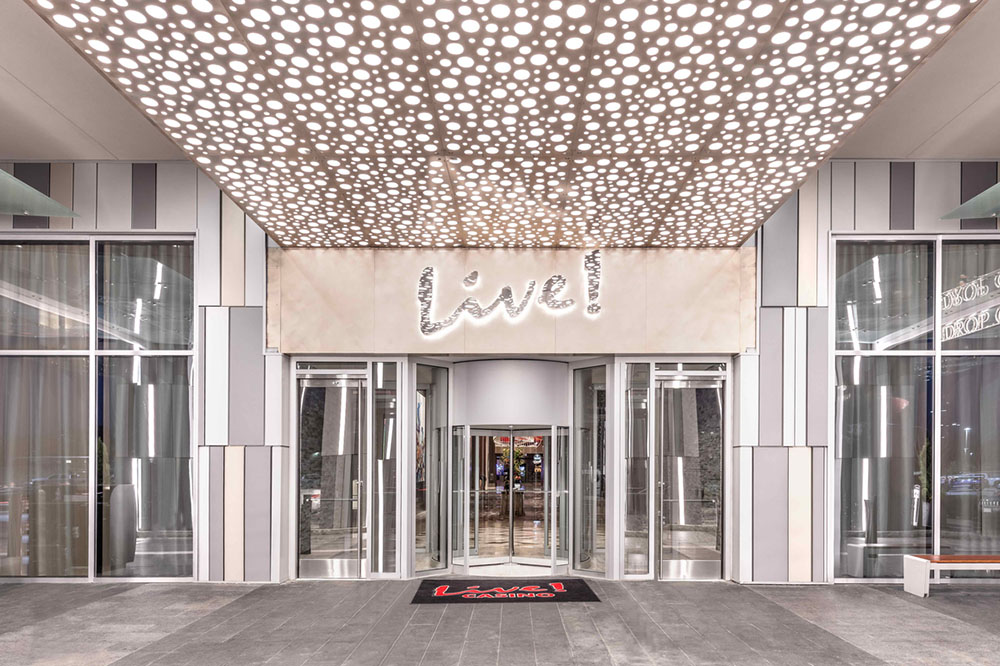
Security Perforated Metal Ceilings for High-Risk Facilities
An increasingly important market is high-security architecture.
Facilities such as:
- Detention centers
- Correctional facilities
- Mental health institutions
- Government buildings
require tamper-resistant ceiling systems.
Modern security perforated metal ceilings feature:
Concealed Locking Systems
Prevent unauthorized access.
Anti-Tamper Construction
Eliminates exposed fasteners.
Overlapping Plank Designs
Provides additional protection against vandalism.
This application is difficult for traditional ceiling materials to achieve.
How to Select the Right Custom Perforated Metal Panel
Step 1: Determine the Project Purpose
Ask:
- Decorative?
- Acoustic?
- Ventilation?
- Security?
- Sun shading?
The answer determines the optimal hole pattern.
Step 2: Choose Material
Aluminum
Best for:
- Facades
- Ceilings
- Lightweight structures
Advantages:
- Lightweight
- Corrosion resistant
- Easy fabrication
Stainless Steel
Best for:
- Coastal environments
- Public facilities
- Long-life projects
Advantages:
- Excellent corrosion resistance
- Premium appearance
Carbon Steel
Best for:
- Industrial projects
- Budget-sensitive applications
Advantages:
- Lower material cost
- High strength
Step 3: Select Hole Pattern
Different hole shapes create different performance characteristics.
| Hole Pattern | Main Benefit |
|---|---|
| Round | Strongest and most economical |
| Square | Modern appearance |
| Slotted | Directional airflow |
| Hexagonal | High open area |
| Custom Design | Branding and unique aesthetics |
Step 4: Choose Surface Finish
For exterior architecture:
- PVDF coating
- Powder coating
- Anodizing
For industrial applications:
- Hot-dip galvanizing
- Zinc coating
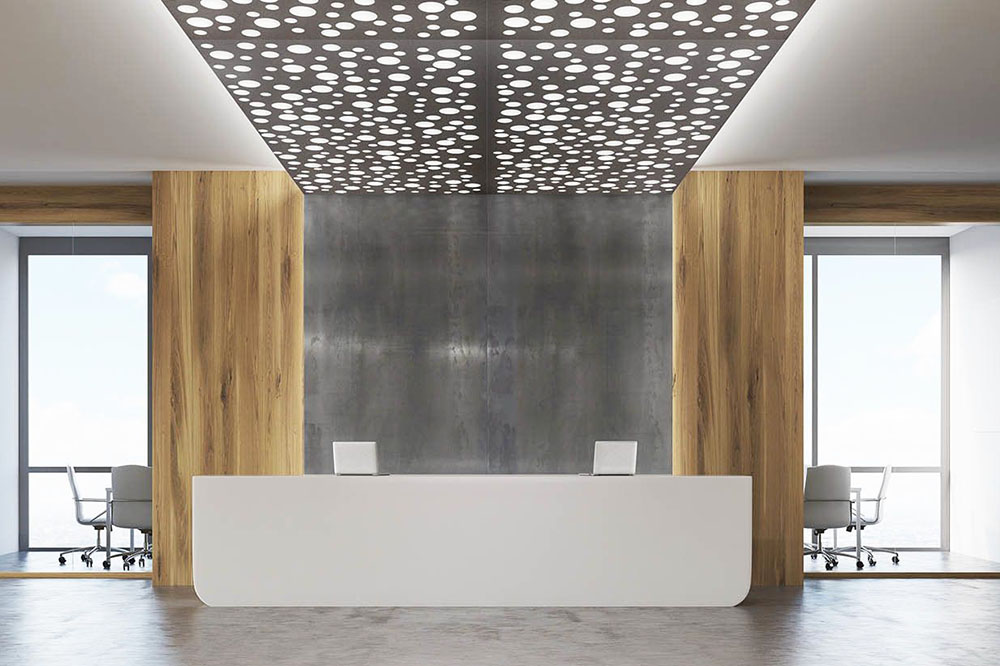
Why Architects and Contractors Choose HIGHTOP
HIGHTOP is one of China’s professional perforated metal manufacturers with extensive experience serving global architectural and industrial projects.
Comprehensive Manufacturing Services
We provide:
- Laser cutting
- CNC punching
- Welding
- Bending
- Slotting
- Fabrication
Extensive Material Options
Available materials include:
- Aluminum
- Stainless steel
- Carbon steel
- Galvanized steel
Complete Surface Treatment Solutions
Including:
- Powder coating
- Anodizing
- Galvanizing
- PVDF coating
Fully Customized Production
HIGHTOP can manufacture according to:
- CAD drawings
- Architectural plans
- Samples
- Project specifications
Reliable Project Support
Our engineering team assists customers with:
- Hole pattern selection
- Material recommendations
- Structural considerations
- Fabrication optimization
This reduces procurement risk and improves project efficiency.
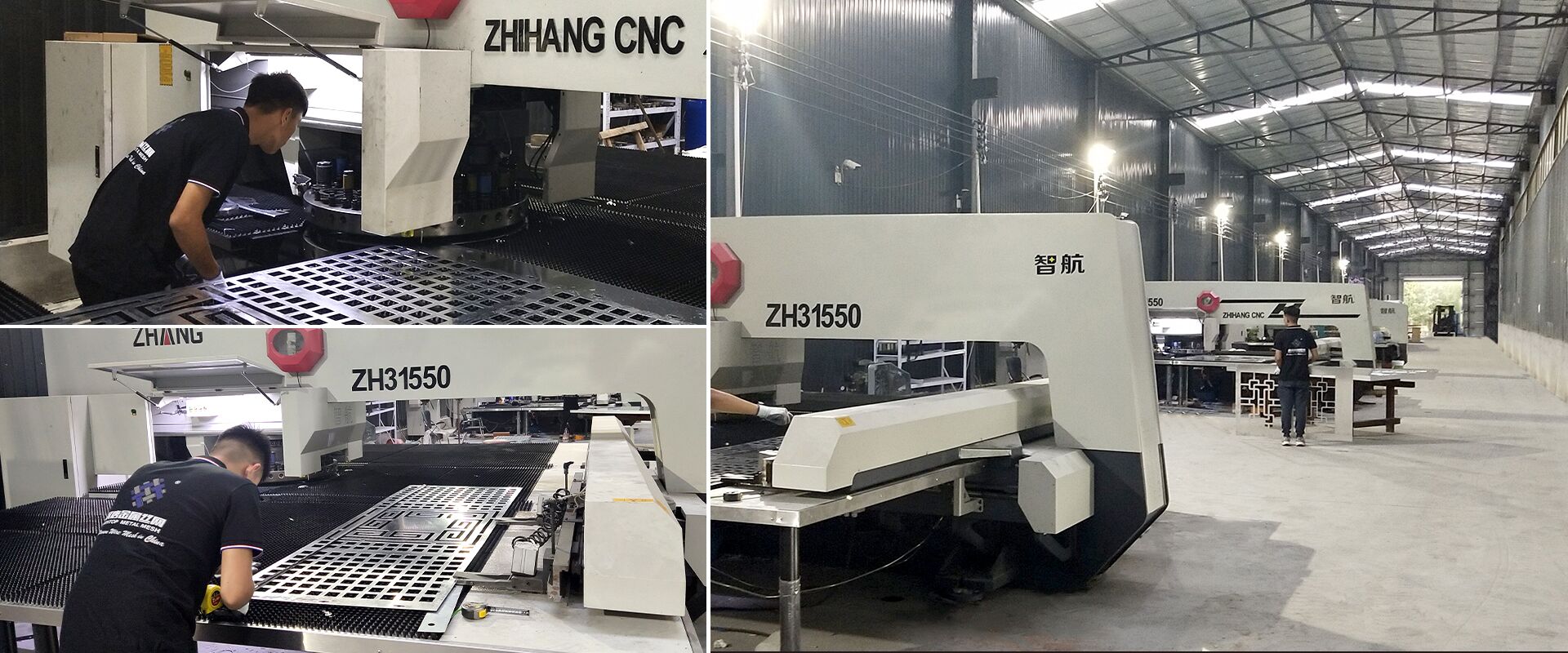
HIGHTOP Perforated Metal Processing Factory
Procurement Checklist Before Ordering Custom Perforated Metal Panels
Before requesting a quotation, prepare the following information:
✓ Material
✓ Thickness
✓ Hole shape
✓ Hole size
✓ Hole spacing
✓ Panel dimensions
✓ Quantity
✓ Surface finish
✓ Installation method
✓ Project drawings
Providing these details helps manufacturers deliver accurate pricing and faster production schedules.
FAQ: Custom Perforated Metal Panels
What are custom perforated metal panels?
Custom perforated metal panels are metal sheets manufactured with customized hole patterns, sizes, materials, and finishes to meet specific architectural or industrial requirements.
What material is best for architectural perforated panels?
Aluminum is typically preferred due to its lightweight properties and corrosion resistance, while stainless steel is ideal for harsh environments.
Can perforated metal panels reduce noise?
Yes. When combined with acoustic backing materials, perforated panels can significantly improve sound absorption and reduce reverberation.
Are custom perforated metal panels suitable for outdoor use?
Yes. Aluminum, stainless steel, and galvanized steel panels with appropriate surface treatments are widely used outdoors.
Can custom logos or images be perforated into metal panels?
Yes. Modern CNC punching and laser-cutting technologies allow logos, branding elements, artwork, and image perforation patterns to be incorporated into panel designs.
How long do perforated metal panels last?
Depending on material and environment, architectural perforated metal panels can last 20–50 years with minimal maintenance.
What is the typical lead time for custom perforated metal panels?
Lead times vary by design complexity and quantity. Standard custom projects are typically produced within 2–6 weeks.
Are perforated metal ceiling panels better than traditional ceiling systems?
For commercial and public buildings, perforated metal ceiling panels generally provide superior durability, ventilation, acoustic performance, and long-term value compared with traditional ceiling materials.
Conclusion
Custom perforated metal panels have become one of the most important materials in modern architecture because they successfully combine aesthetics, ventilation, acoustic control, security, and durability within a single product.
Whether your project requires an architectural facade, acoustic wall system, sunshade screen, or advanced ceiling solution, custom perforated metal panels offer unmatched design flexibility and long-term performance.
By partnering with an experienced manufacturer such as HIGHTOP, architects, contractors, and project owners can obtain fully customized perforated metal solutions that meet both functional requirements and architectural ambitions.
Request a Quote
Please email us via the contact form below, we will get back to you as soon as possible.