
In modern industrial applications, material selection directly impacts performance, durability, and operational efficiency. Among various perforated metal options, Rounded Slot Staggered Perforated Sheets have become a preferred solution across multiple sectors due to their optimized open area, structural strength, and superior flow characteristics.
This article provides a clear, buyer-oriented overview of their structure, advantages, and typical applications—especially from a B2B procurement and engineering perspective.
What Are Rounded Slot Staggered Perforated Sheets?
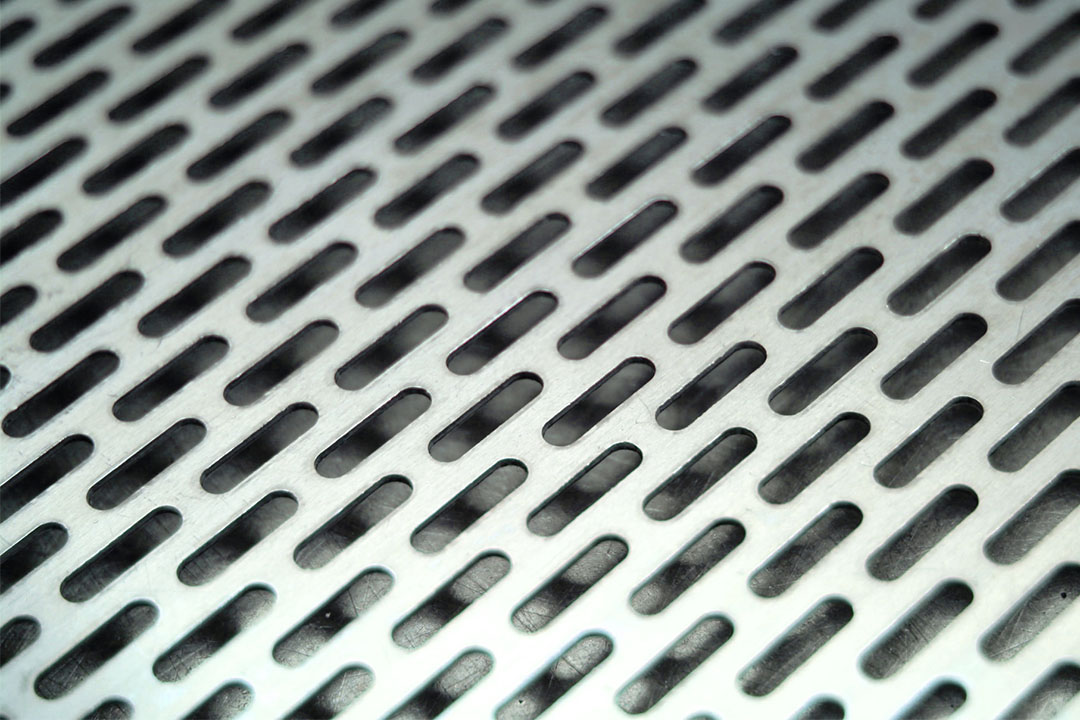
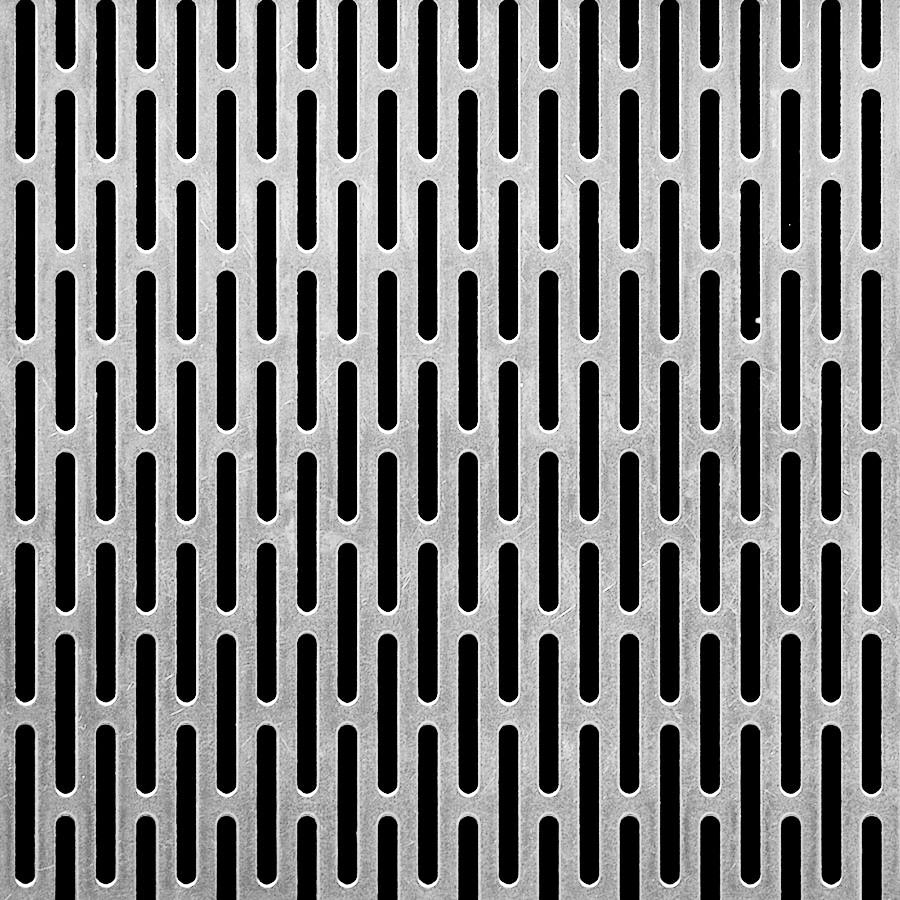
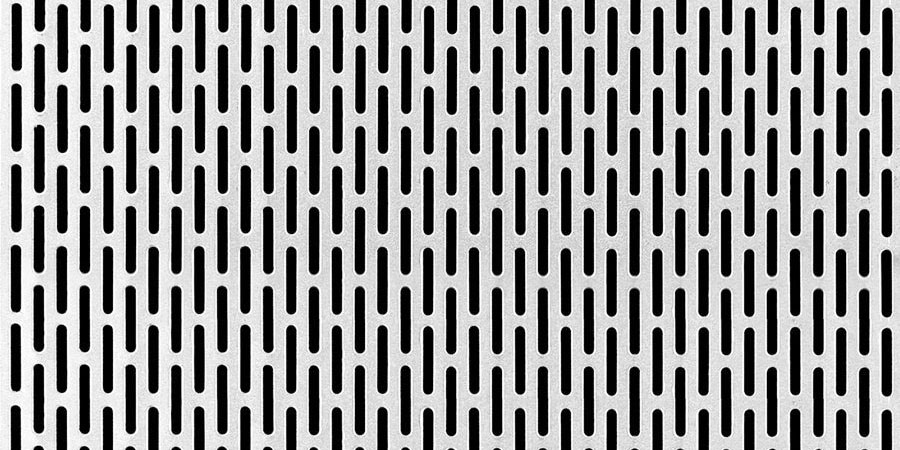
Rounded slot staggered perforated sheets are metal sheets punched with elongated holes featuring rounded ends, arranged in a staggered (offset) pattern.
This specific design combines two key structural advantages:
- Rounded slots reduce stress concentration compared to sharp-edged slots, improving durability.
- Staggered layout increases open area while maintaining mechanical strength.
As a result, these sheets offer an ideal balance between air/liquid flow efficiency and load-bearing capacity, making them suitable for demanding industrial environments.
Key Design Features
1. Rounded Slot Geometry
Unlike straight or rectangular perforations, rounded slots:
- Minimize crack propagation under stress
- Enhance fatigue resistance
- Improve safety in handling and operation
2. Staggered Pattern Arrangement
The staggered (triangular pitch) layout:
- Maximizes open area percentage
- Ensures more uniform distribution of stress
- Improves filtration and ventilation performance
3. Customizable Parameters
For project-specific requirements, buyers can customize:
- Slot length and width
- Pitch (distance between holes)
- Sheet thickness
- Open area ratio
Material Options
Rounded slot staggered perforated sheets are typically manufactured using:
- Galvanized steel – cost-effective and corrosion-resistant
- Stainless steel (304/316) – ideal for harsh or hygienic environments
- Aluminum – lightweight with good corrosion resistance
- Carbon steel – high strength for structural applications
Material selection should align with environmental conditions, load requirements, and lifecycle cost considerations.
Core Advantages for Industrial Use
1. Enhanced Flow Efficiency
The elongated slot design significantly improves:
- Airflow in ventilation systems
- Liquid drainage in filtration and separation processes
2. High Strength-to-Open-Area Ratio
Compared to straight-line perforation patterns, the staggered layout:
- Maintains structural integrity
- Reduces deformation under load
3. Anti-Clogging Performance
Rounded slots are less prone to blockage, especially in:
- Agricultural processing
- Wastewater treatment
- Screening operations
4. Extended Service Life
Reduced stress concentration leads to:
- Lower maintenance frequency
- Longer operational lifespan
Typical Applications
1. Poultry Farming Equipment
In modern poultry systems (such as H-type cage systems), these sheets are widely used for:
- Manure belts and drying systems
- Ventilation panels
- Feed processing sieves
Their anti-clogging and corrosion-resistant properties are particularly valuable in high-ammonia environments.
2. Screening and Filtration Systems
Used in:
- Grain cleaning equipment
- Mining and aggregate processing
- Water and wastewater treatment
The slot design allows efficient separation while maintaining throughput.
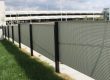
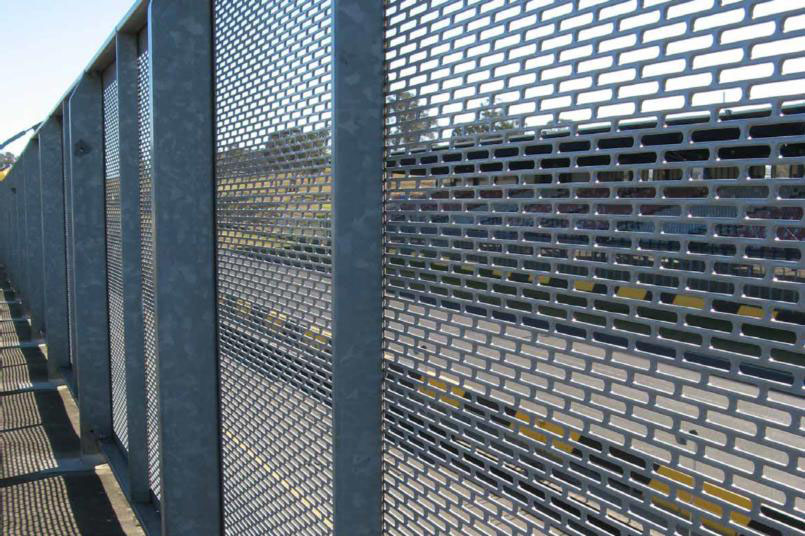
3. Architectural and Industrial Design
- Facade cladding
- Sunshades and acoustic panels
- Safety barriers
The staggered pattern also provides a modern industrial aesthetic.
4. Food Processing Industry
Stainless steel variants are commonly applied in:
- Drying trays
- Sorting and grading equipment
- Hygienic processing lines
How to Choose the Right Specification
For B2B buyers and project engineers, selection should be based on:
1. Application Scenario
- Filtration vs. structural use
- Dry vs. wet environment
2. Open Area Requirement
Higher open area improves flow but may reduce strength—balance is critical.
3. Load Conditions
Consider:
- Static load
- Dynamic vibration
- Impact resistance
4. Corrosion Environment
For example:
- Poultry farms → recommend galvanized or stainless steel
- Coastal or chemical environments → stainless steel 316
Why It Matters for EPC Projects
In turnkey (EPC) industrial projects—such as poultry farms, processing plants, or environmental systems—component reliability directly affects overall system performance.
Rounded slot staggered perforated sheets help:
- Reduce operational downtime
- Improve system efficiency
- Lower long-term maintenance costs
For integrators and contractors, choosing the right perforation design is not just a material decision—it’s a system optimization strategy.
FAQ
1. What is the advantage of rounded slots over straight slots?
Rounded slots reduce stress concentration and improve durability, especially under continuous vibration or load.
2. Why use a staggered pattern instead of a straight pattern?
A staggered pattern provides a higher open area and better strength distribution, improving both performance and lifespan.
3. Are these sheets suitable for poultry farming environments?
Yes. They are widely used in poultry systems due to their anti-clogging properties and resistance to corrosion (especially when galvanized or stainless steel is used).
4. Can the specifications be customized?
Absolutely. Most manufacturers offer full customization based on project requirements, including slot size, spacing, material, and thickness.
5. How do I choose between stainless steel and galvanized steel?
- Choose galvanized steel for cost-effective general use
- Choose stainless steel for high-corrosion or hygienic environments
If your project involves filtration, ventilation, or material handling systems, selecting the right perforated sheet design—such as rounded slot staggered patterns—can significantly improve both efficiency and durability.
Request a Quote
Please email us via the contact form below, we will get back to you as soon as possible.